Log Post: The Farewell
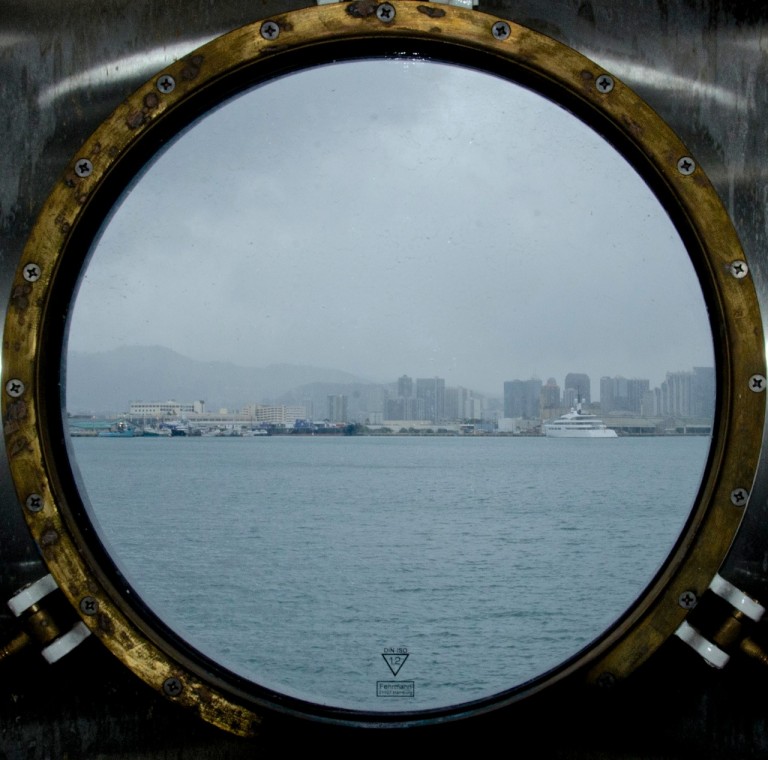
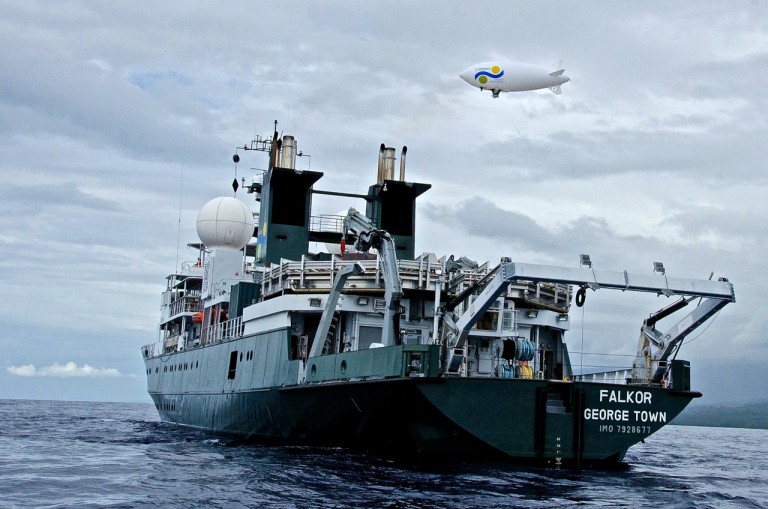
Today we pen our last blog and offload the R/V Falkor.
Search Results for CTD
Today we pen our last blog and offload the R/V Falkor.
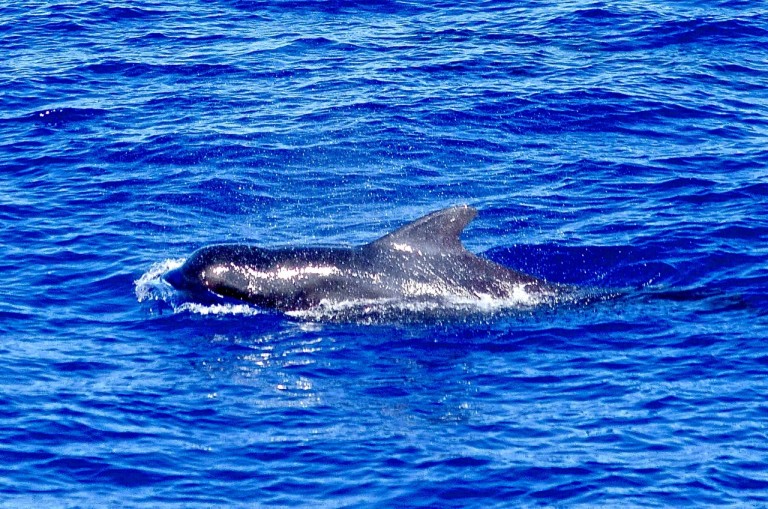
During the first of three student cruises, the team aboard RV Falkor answered questions about whales’ decision-making process about how and where whales feed in the deep sea,while providing invaluable at-sea experience for students.
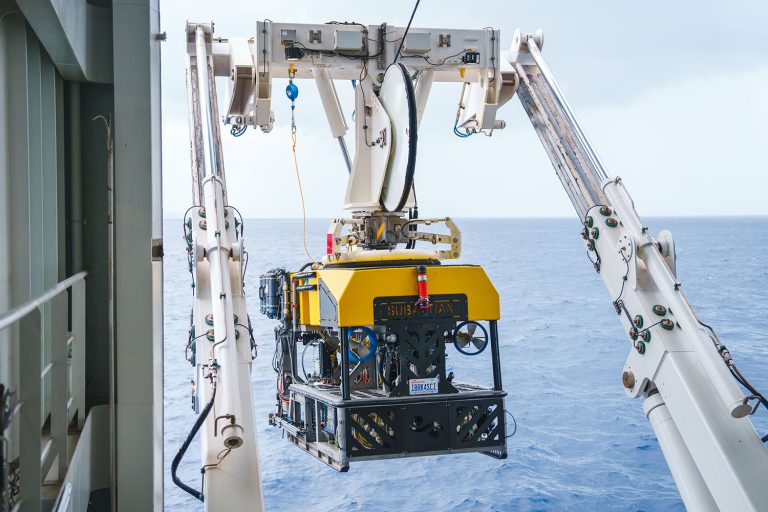
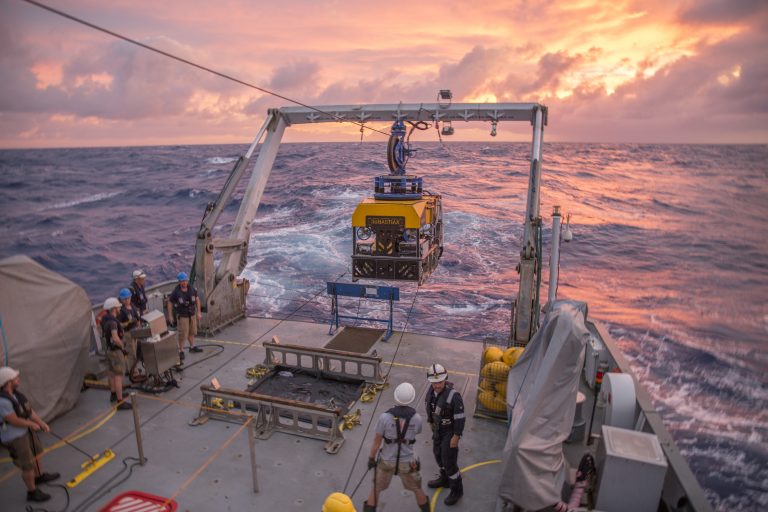
Remotely operated vehicle (ROV) SuBastian is recovered after a 13-hour dive. The ROV is connected to the ship via a tether that allows the robot to be piloted and transfers power, data, and video feeds. What is an ROV? ROV stands for Remotely Operated Vehicle. It is an underwater robot, sometimes known as a remote-controlled … Continued
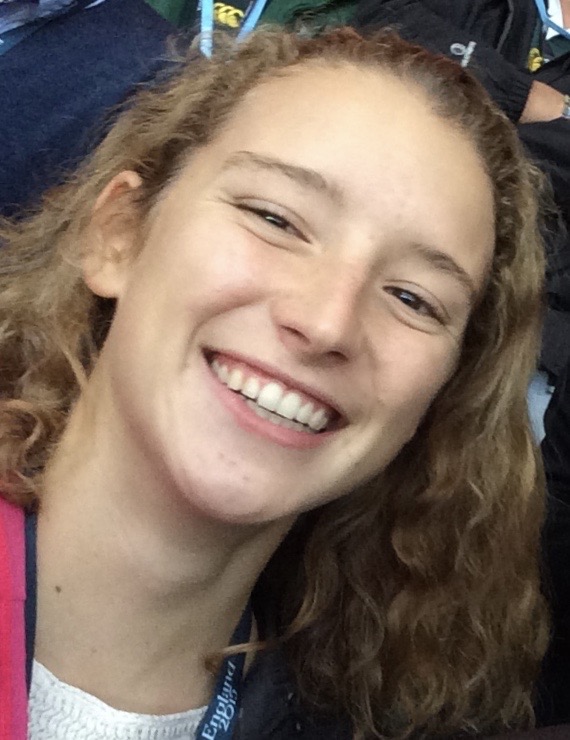
Nina Faure Beaulieu is currently completing her BA in Biological sciences at the University of Oxford and is then heading for a MRes in Ocean science at the University of Southampton with the National Oceanography Center. During her undergraduate degree, she developed an interest for marine biology and wrote her undergraduate project on microplastics and … Continued
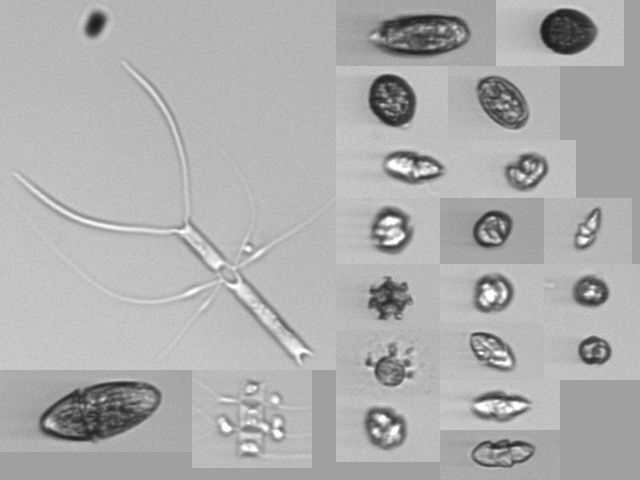
Plankton comes from the greek word planktos, meaning wanderer. It does not define a specific organism, but rather a specific life style. Plankton consist of all organisms dispersed in water that are passively driven by water currents or are subject to passive sinking process. Some of those organisms have an ability to produce oxygen and sugars … Continued
Every great ship needs a Holodeck. Not for entertainment, but for science. Star Trek‘s fictional Holodeck can create matter virtually (in our case, it would be scientific data) which can be seen, touched and interacted with. Unfortunately, real technology is not as advanced as we know it from TV, so for now we skip the touch. But … Continued
When a new dive starts, a huddle of scientists and engineers watch the ROV be gently lowered into the water. Once in, cameras reveal a bright blue ocean, rapidly moving from sky to navy blue as the ROV dives down. We are diving deep here, far past the last trickles of light from the sun. … Continued
Steve Romaine is the head of the Water Properties Group at the Institute of Ocean Sciences, which provides oceanographic support to research missions in the Pacific and Arctic regions. This includes sampling protocols for dissolved oxygen, nutrients, salinities, and electronic measurements using CTD units. Steve has a M.Sc. in biological oceanography from the University of … Continued
I’m a postdoctoral researcher at the MARUM Center for Marine Environmental Sciences at the University of Bremen, Germany. My research is focused on the biogeochemistry of seafloor hydrothermal systems, specifically the organic and inorganic chemistry of vent fluids and deposits. In 2012 I took part in the R/V Atlantis (AT18-16) expedition, where the Von Damm … Continued
After my first science expedition last summer, it was clear I would pursue more opportunities to return to the open ocean. The adventure of exploring uncharted territory, the collaborative spirit of working side-by-side with scientists, the sense of community where every member has purpose and value in daily operations, the challenge of creating art on … Continued