Cruise: Seafloor to Seabirds in the Coral Sea
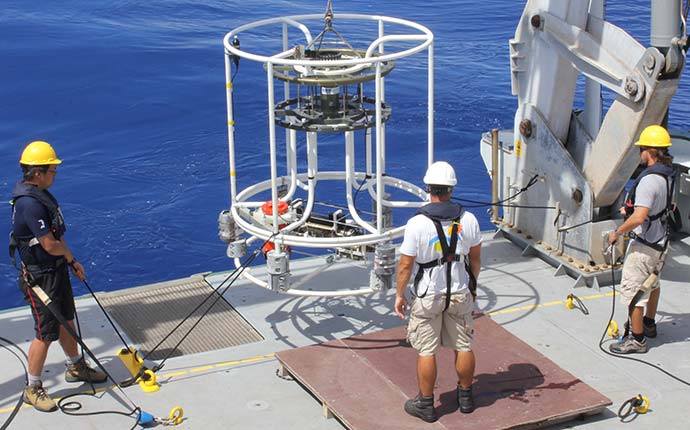
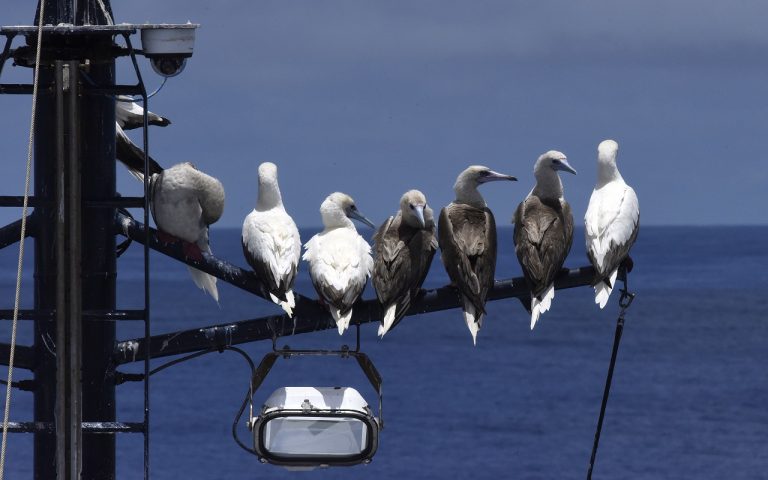
Far offshore Queensland Australia, in the Coral Sea Marine Park, is a seafloor full of clues for understanding the complex geologic history of the Australia and the submerged Zealandia continent.
Search Results for CTD
Far offshore Queensland Australia, in the Coral Sea Marine Park, is a seafloor full of clues for understanding the complex geologic history of the Australia and the submerged Zealandia continent.
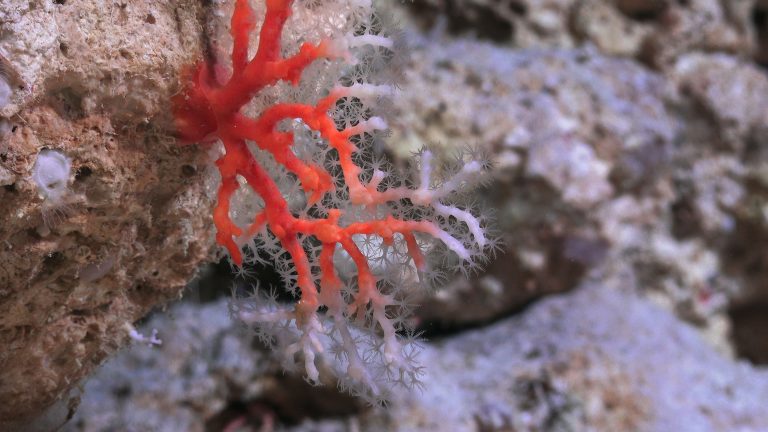
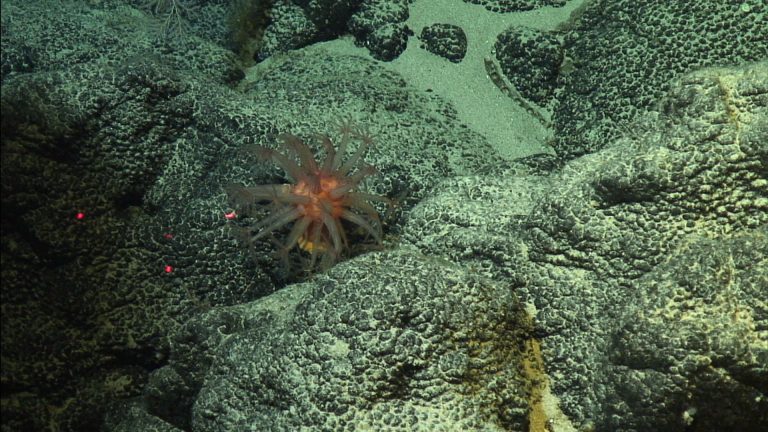
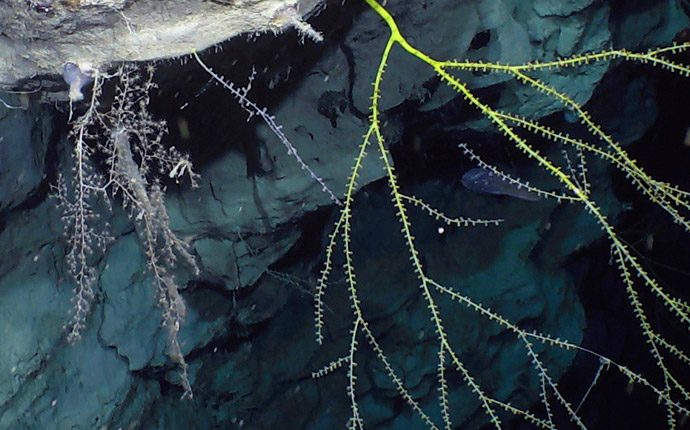
As ocean temperatures increase, a pressing global challenge in marine science is to better understand the distribution and characteristics of the critical habitats that support mesophotic and deep-water coral communities.
This expedition will feature exploration of the Emperor Seamount Chain while researching biodiversity and its drivers. Using currents, mapping, and radio isotopes to track water masses – as well as genetic sampling of corals – the team will determine the driving force behind coral distribution in this region.
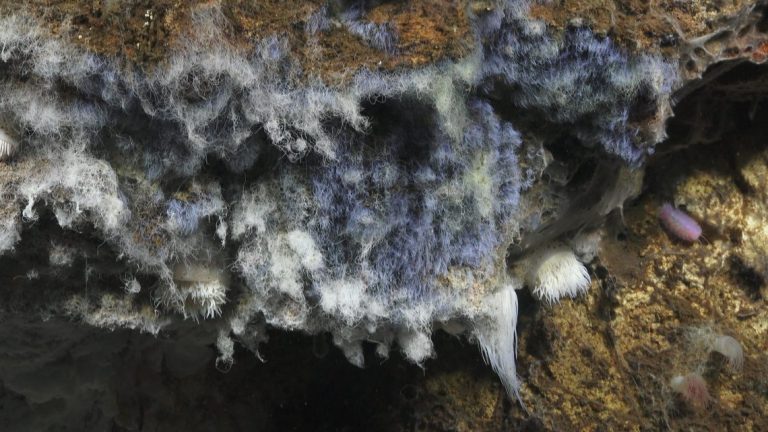
The Mariana region is home to the Mariana subduction system. This November, scientists shed light on the Mariana back-arc spreading center looking for new sites of hydrothermal activity.
Rising temperatures, ocean acidification, and overfishing have now gained widespread notoriety as human-caused phenomena that are changing our seas.
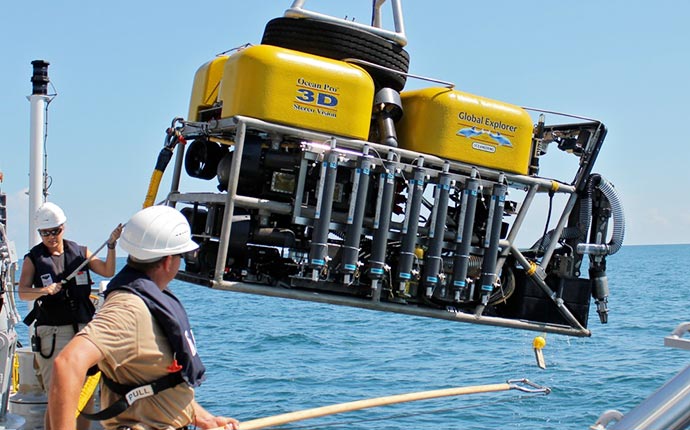
This cruise will focus on the development of safe practices and standard operating procedures for the deployment and operation of remotely operated underwater vehicles (ROVs), as well as for the ROV data and video management and distribution onboard.
December, Falkor returned to the Mariana Trench focusing on collecting trench bacteria, animal samples, and the first-ever recordings of sounds from such depths.
Perth Canyon is one of Australia’s subsea treasures. Yet many of its deeper reaches remained unexplored, until Falkor’s visit with a deep-diving ROV. This first survey of life in the canyon provided a baseline of deep corals, which will aid in determining the likely future impacts of warming seas and ocean acidification.
In June of 2013, R/V Falkor will be using the hybrid underwater robotic vehicle Nereus, to explore the depths of the Mid-Cayman Rise, which reaches more than 6,500 meters (~4 miles)
Since 1988, oceanographers have been studying a patch of deep blue 60 miles north of Oahu known as Station ALOHA. But despite extensive work there, much remains unknown about the diversity of the area’s zooplankton.