Cruise: Discovering Deep-Sea Corals of the Phoenix Islands 2

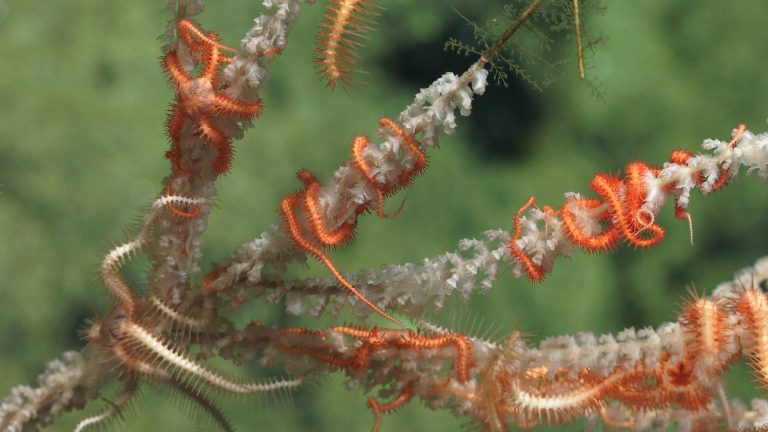
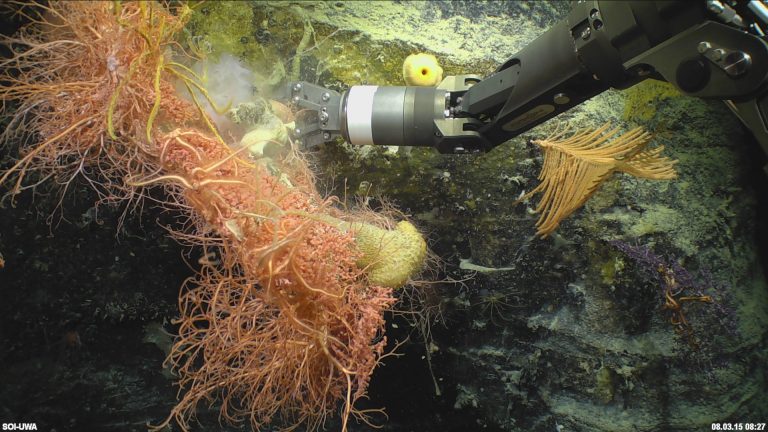
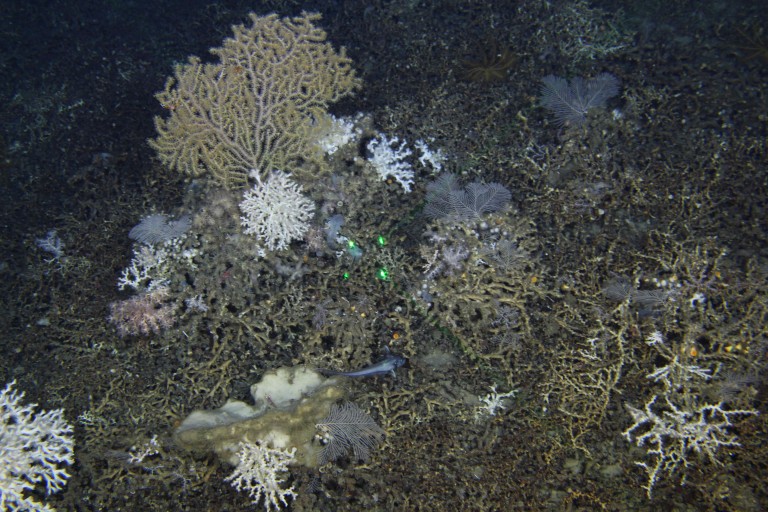
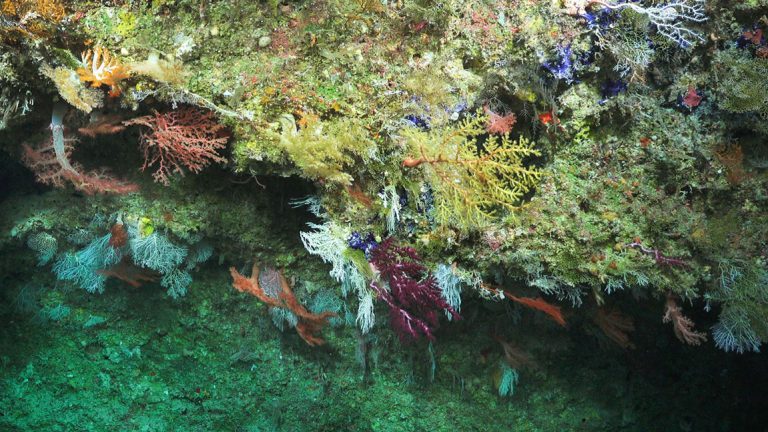
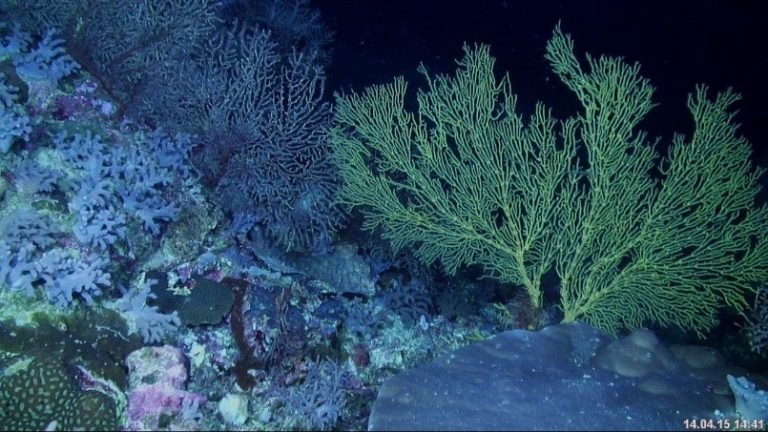
In June, Falkor will return to the Phoenix Islands under Chief Scientist Randi Rotjan. The scientific objectives include continuing to investigate deep-sea microbes’ therapeutic potential; examining how ancient cold water corals survive predation by corallivores; and enquiring into the equator’s effect on the ecology of deep coral and sponge communities.
Cruise: Visioning the Coral Sea Marine Park

Within Australia’s largest marine reserve, the recently established Coral Sea Marine Park, lies the Queensland Plateau, one of the world’s largest continental margin plateaus at nearly 300,000 square kilometers.

Cruise: Australian Mesophotic Coral Examination

Ashmore Reef Marine Park is home to unique coral ecosystems: Mesophotic Coral Ecosystems (MCEs). While the waters of Australia are famous for shallower coral systems such as the Great Barrier Reef, MCEs there (and around the globe) remain largely unknown and undocumented.

Cruise: The Great Australian Deep-Sea Coral and Canyon Adventure

Rising water temperatures and increasing carbon dioxide concentrations remain among the greatest threats to ocean ecosystems globally. This warming trend and associated ocean acidification poses a unique threat to species that use calcium carbonate to build their shells or skeletons, such as corals.

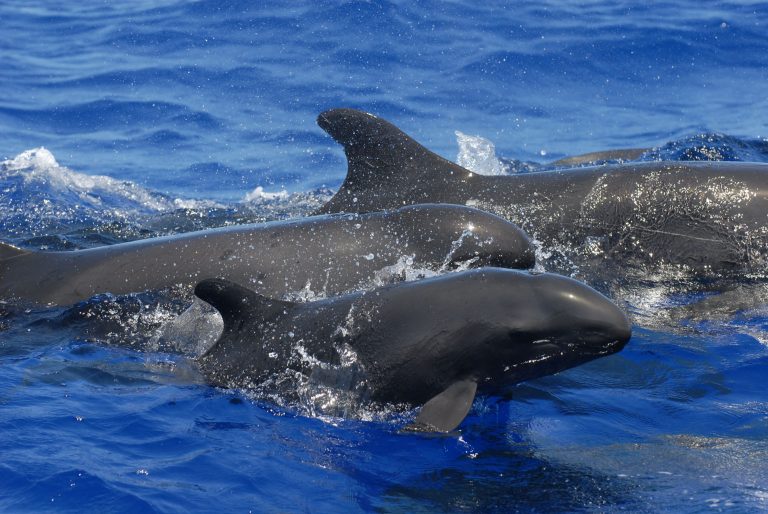
Cruise: Listening for Cryptic Whales Species

This expedition will feature exploration of the Emperor Seamount Chain while researching biodiversity and its drivers. Using currents, mapping, and radio isotopes to track water masses – as well as genetic sampling of corals – the team will determine the driving force behind coral distribution in this region.

Cruise: Studying the Sea-Surface Microlayer 2

This expedition will feature exploration of the Emperor Seamount Chain while researching biodiversity and its drivers. Using currents, mapping, and radio isotopes to track water masses – as well as genetic sampling of corals – the team will determine the driving force behind coral distribution in this region.

Cruise: Designing the Future

This expedition will feature exploration of the Emperor Seamount Chain while researching biodiversity and its drivers. Using currents, mapping, and radio isotopes to track water masses – as well as genetic sampling of corals – the team will determine the driving force behind coral distribution in this region.

Cruise: Observing Seafloor Methane Seeps at the Edge of Hydrate Stability

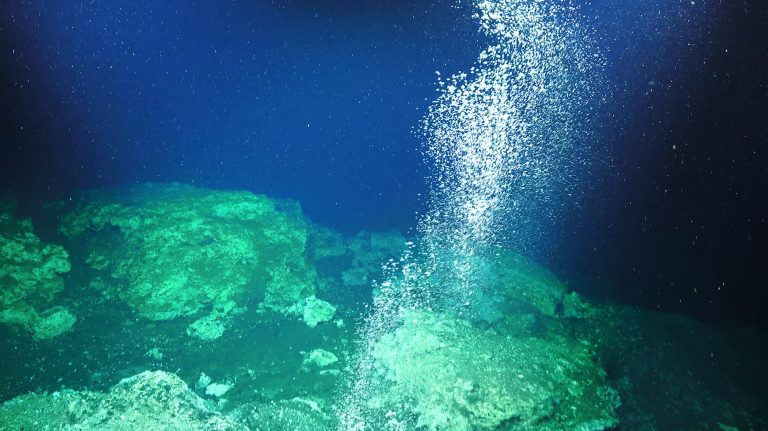
Methane is a more potent greenhouse gas than carbon dioxide, but exists at far lower concentrations in the atmosphere. Many think of methane as a free-floating gas so it can be a surprise to learn that nearly one-fifth of the Earth’s methane is stored beneath the ocean’s waters in marine sediments in the form of gas hydrate.

Cruise: Deep Coral Diversity at Emperor Seamount Chain 2019

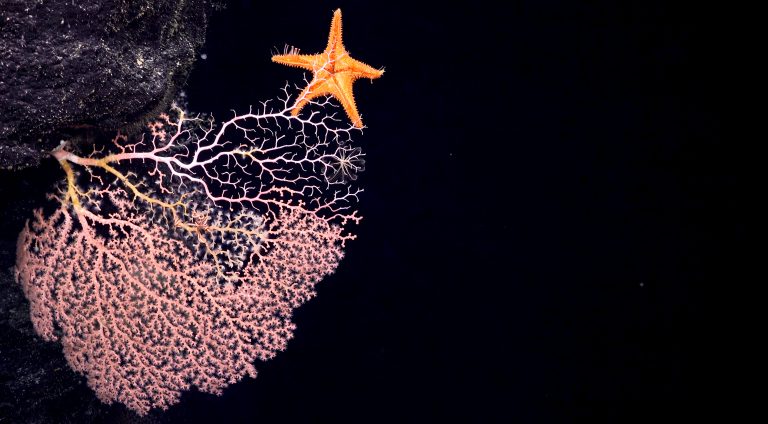
This expedition will feature exploration of the Emperor Seamount Chain while researching biodiversity and its drivers. Using currents, mapping, and radio isotopes to track water masses – as well as genetic sampling of corals – the team will determine the driving force behind coral distribution in this region.