Cruise: Costa Rican Deep Sea Connections

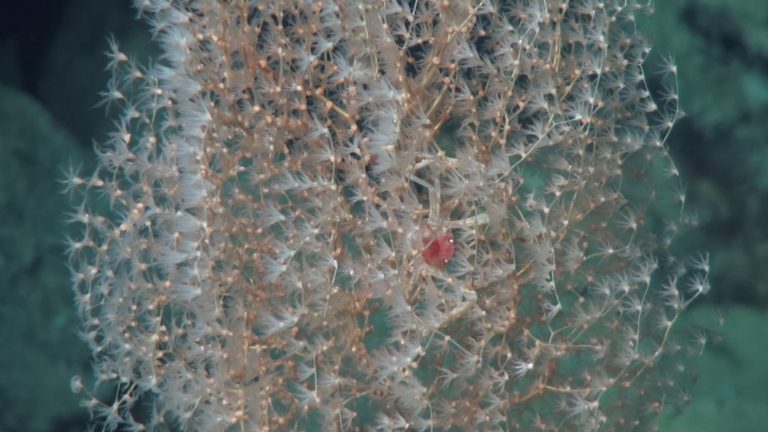
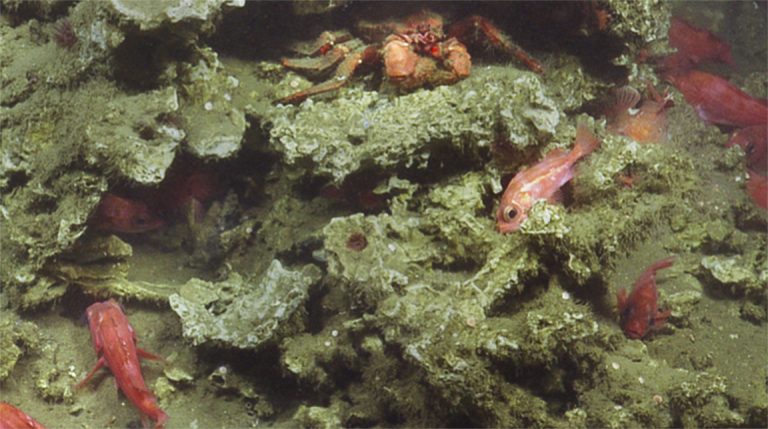
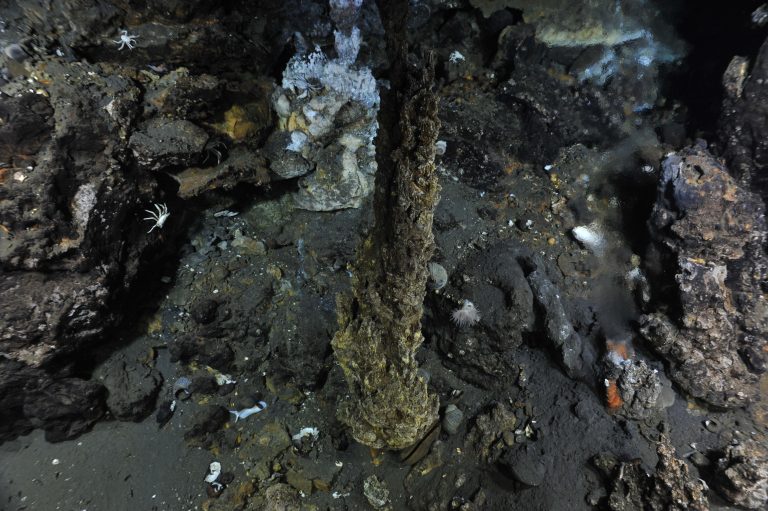
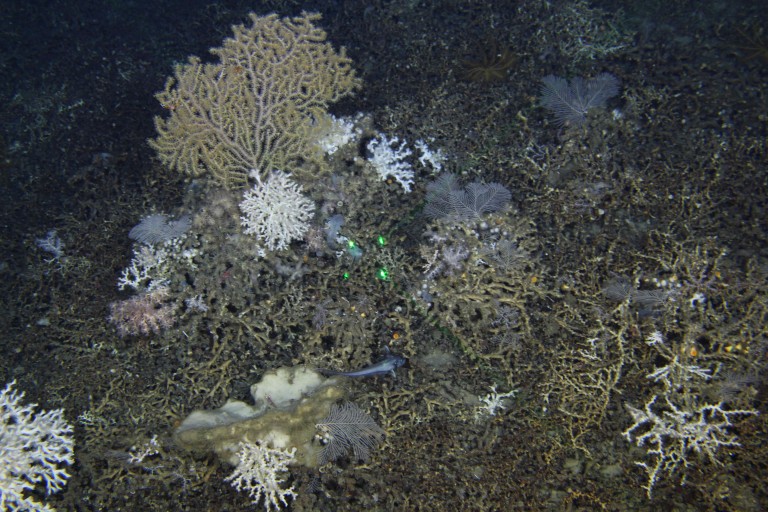
The deep sea is home to a variety of understudied, otherworldly ecosystems that are in need of human understanding if they are to have any protection from encroaching deep sea fishing and mining activities.

Cruise: Hunting Bubbles: Understanding Plumes of Seafloor Methane

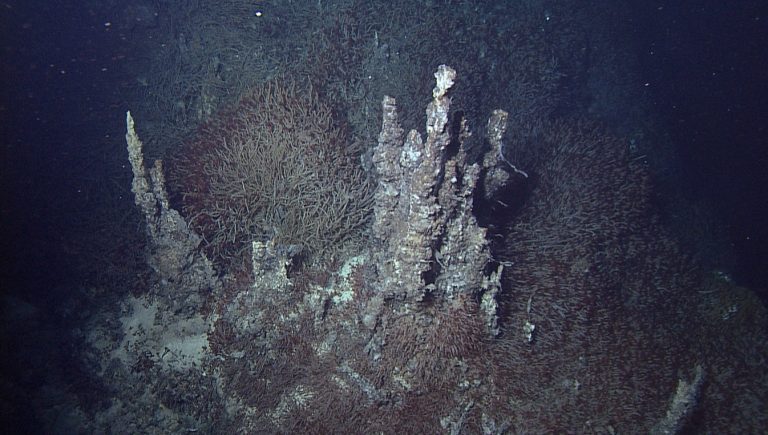
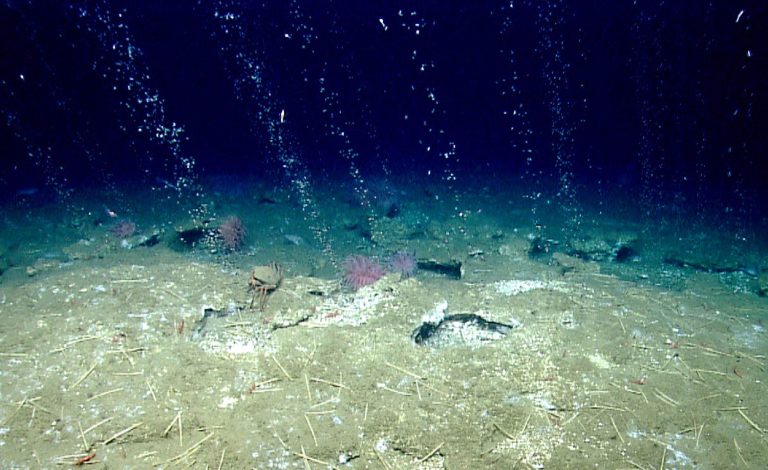
While methane may not be the best known greenhouse gas, it nevertheless greatly impacts the climate system of our planet. Seafloor methane emissions have been documented for several decades, with newer evidence suggesting that methane bubble plumes from the deep sea are far more numerous than previously assumed.

Cruise: Adaptive Robotics at Barkley Canyon and Hydrate Ridge

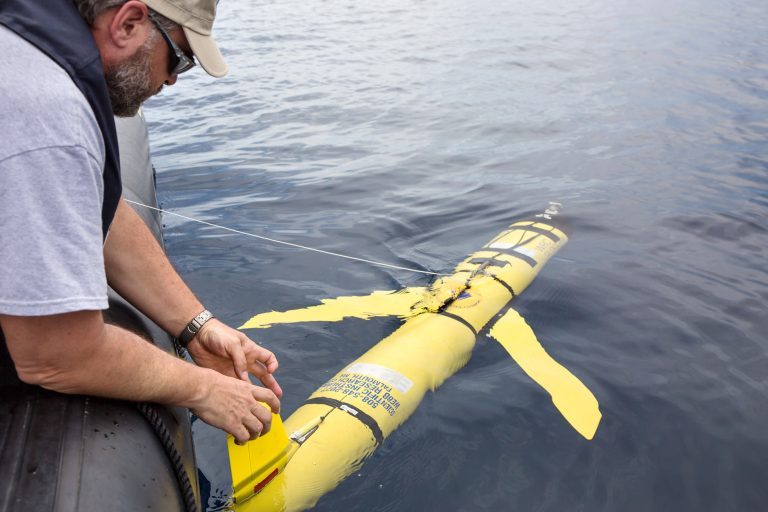
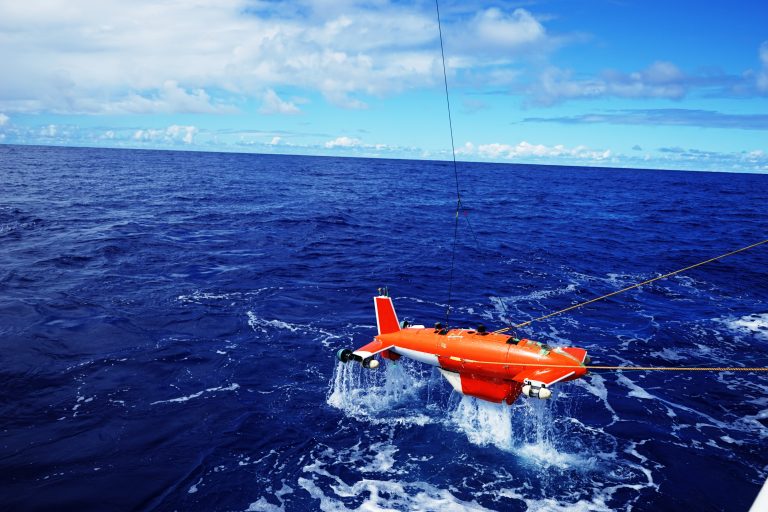
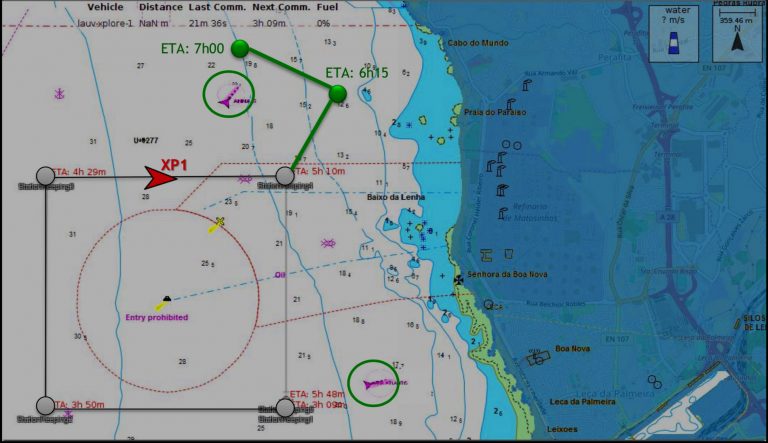
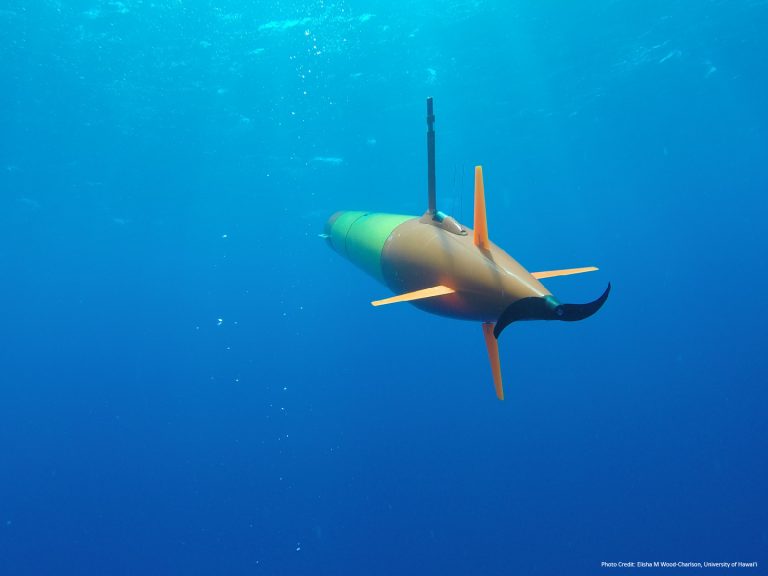
Conducting research with multiple underwater vehicles takes a huge amount of deliberation and coordination that is based on data gathered well before the work even takes place. But what happens if the environment you work on is constantly changing?

Cruise: Eddy Exploration and Ecosystem Dynamics

If you have ever flown over the Pacific and looked down from the window seat, the water seems still. Viewed from this distance, the water appears stagnant with unmoving dashes of waves.

Cruise: Underwater Fire: Studying the Submarine Volcanoes of Tonga

Aboard R/V Falkor, Dr. Ken Rubin and his research team will visit one of the most active underwater volcano sites in the world, the Meta Volcano group. There they will work to obtain a detailed geological understanding of up to 12 different submarine volcanoes, attempting to do this across a suite of volcanos for the very first time.

Cruise: Discovering Deep Sea Corals of the Phoenix Islands

The Phoenix Islands Protected Area (PIPA) is the largest and deepest UNESCO World Heritage Site on Earth. Approximately the size of California, PIPA was the first Marine Protected Area (MPA) of its kind. In October, Dr. Erik Cordes (Temple University) and his team will explore never seen before seamounts and atolls within PIPA with R/V Falkor and ROV SuBastian.