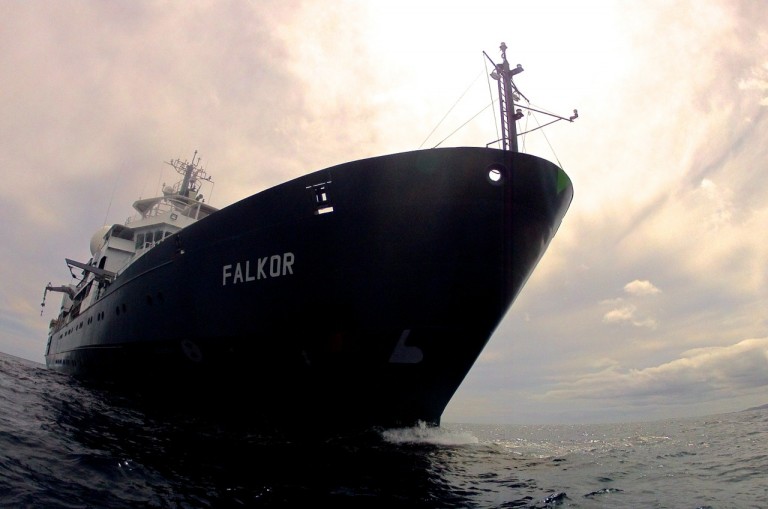
Log Post: Wrap-up
It’s hard to believe that we’ve already wrapped up the second student cruise on Falkor.
Search Results for CTD
It’s hard to believe that we’ve already wrapped up the second student cruise on Falkor.
Although iron is the focus of our Loihi Expedition, a number of other measurements are being collected during our cruise as we hunt for Loihi’s hydrothermal plume. You might be asking yourself “If the focus of the cruise is to collect iron data, why measure anything else?” However, as scientists our goal is to tell … Continued
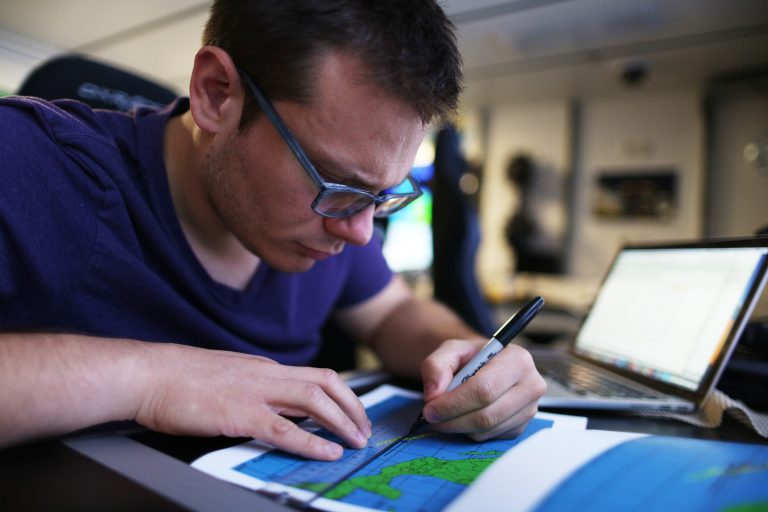
Summarizing a cruise is one of the most difficult duties of a Chief Scientist. I could distill all our work down to a slew of metrics—over 600 chemical analyses for pH, nutrients, and dissolved gases, 312 CTD casts, eight incubator deployments, 325 deck board experiments, and 216 liters of filtered sea water. All told, we … Continued
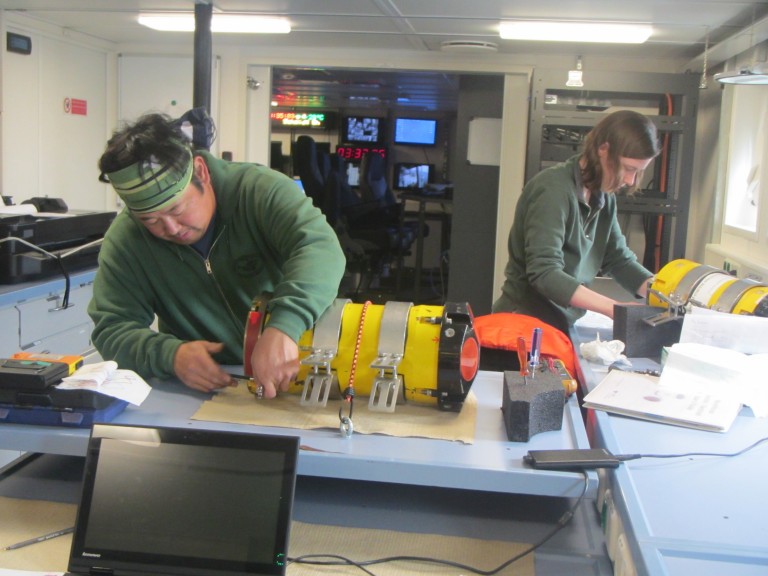
The moment that all field scientists crave has arrived – preliminary data!
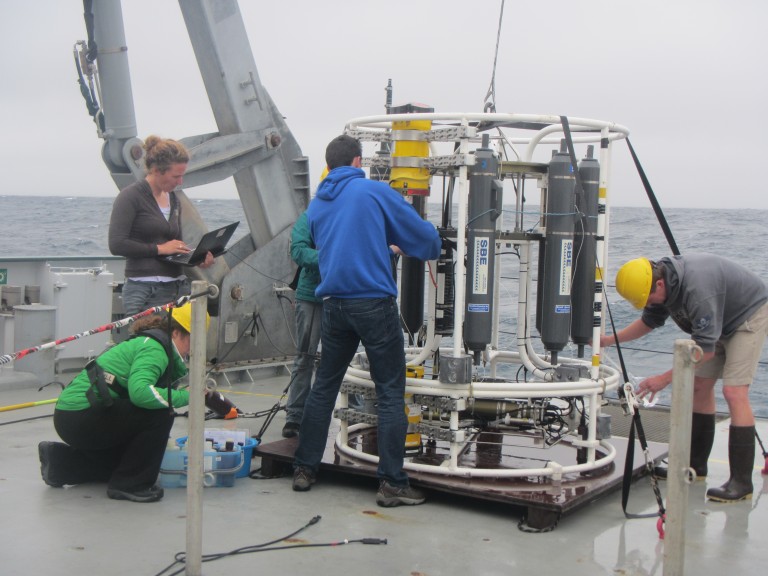
The Tasman Sea is not happy. For the past couple of days, waves have been crashing over the bow, and sustained winds have routinely been blowing above 35 kts.
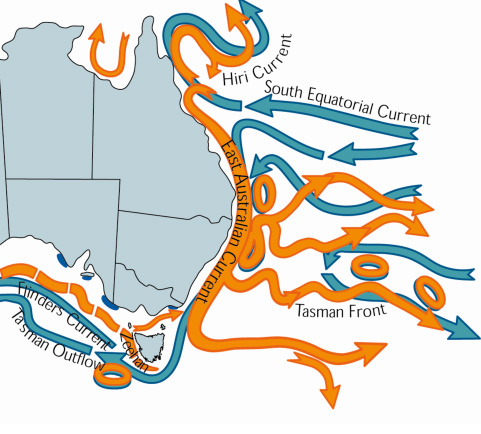
Having collected another set of data from our familiar C2 site, we are now steaming to a location a bit south of the A1 mooring.
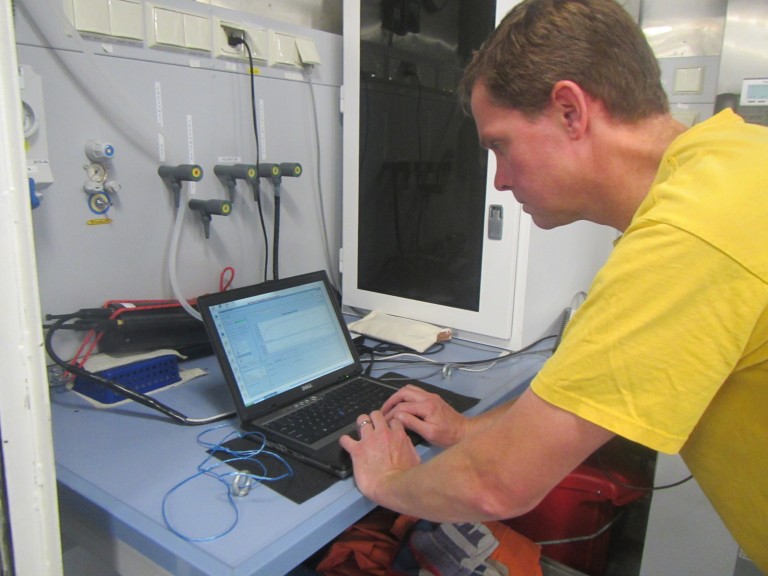
For new comers to science, it is important that they begin their journey in some particular way.
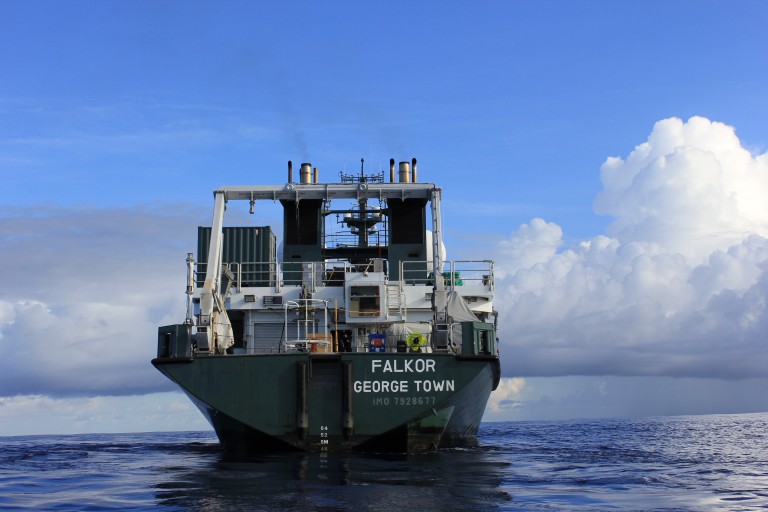
The timing could not have been more perfect for this expedition, which has given the science team a glimpse of mixing activity in the central equatorial Pacific during strong El Niño conditions.
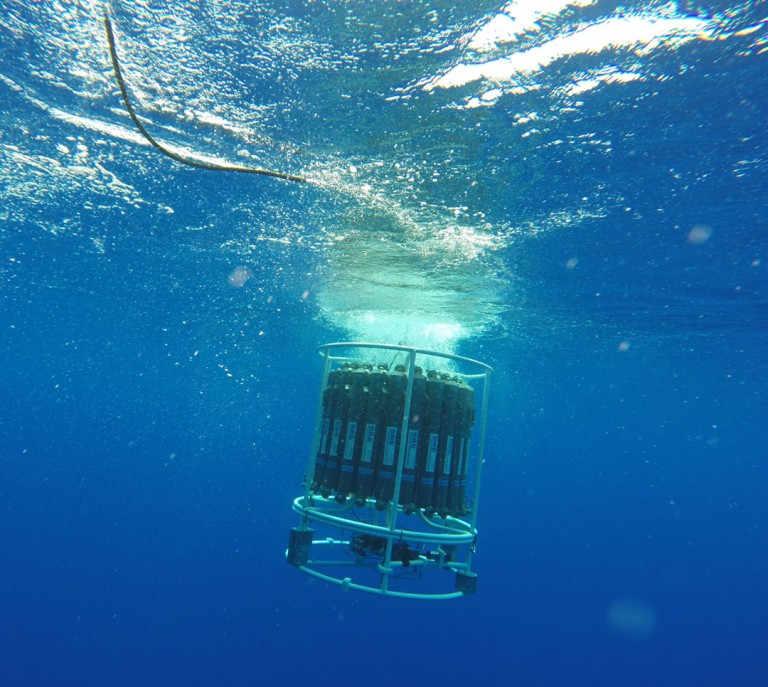
Check out the second video from one of our Student Opportunities participants, Jennifer Killinger. She takes a look at how Mixing Up the Tropical Pacific scientists on board Falkor are collecting oceanographic data with the CTD using Yo-Yo and Tow-Yo techniques.
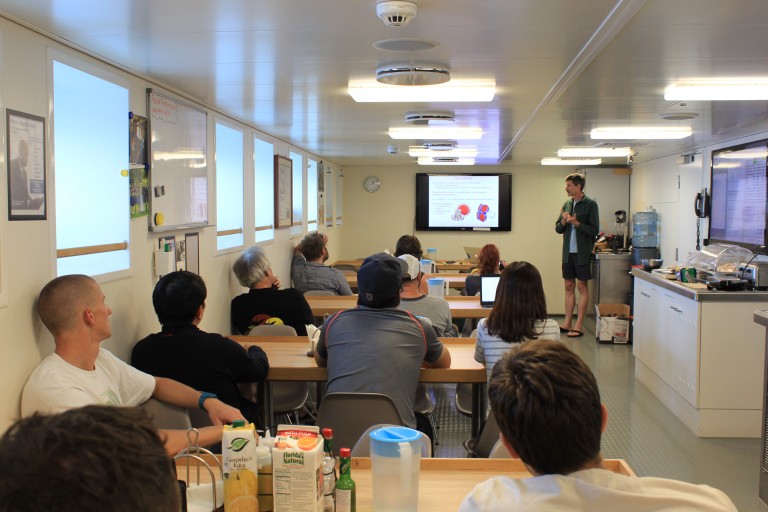
Before the advent of modern oceanographic instrumentation, scientists possessed only rudimentary ways of exploring our oceans. Surface currents could be inferred from their effect on ship’s tracks, and from the net drift of floating objects released at one location and found much later at another, like a message in a bottle from another place. Tracking … Continued