14 December – 10 January 2025
#ArgentinianDeepSeeps #vidaenlosextremos
Methane and other energy-rich gases escape from the ocean floor, creating landscapes that support an ecosystem adapted to survive independent of the sun’s energy. Typically, only a fraction of the gases that escape these cold seeps reach the sea surface because microbes and animals consume them through a process known as chemosynthesis, which provides the trophic basis for nurturing lush and unique animal communities.
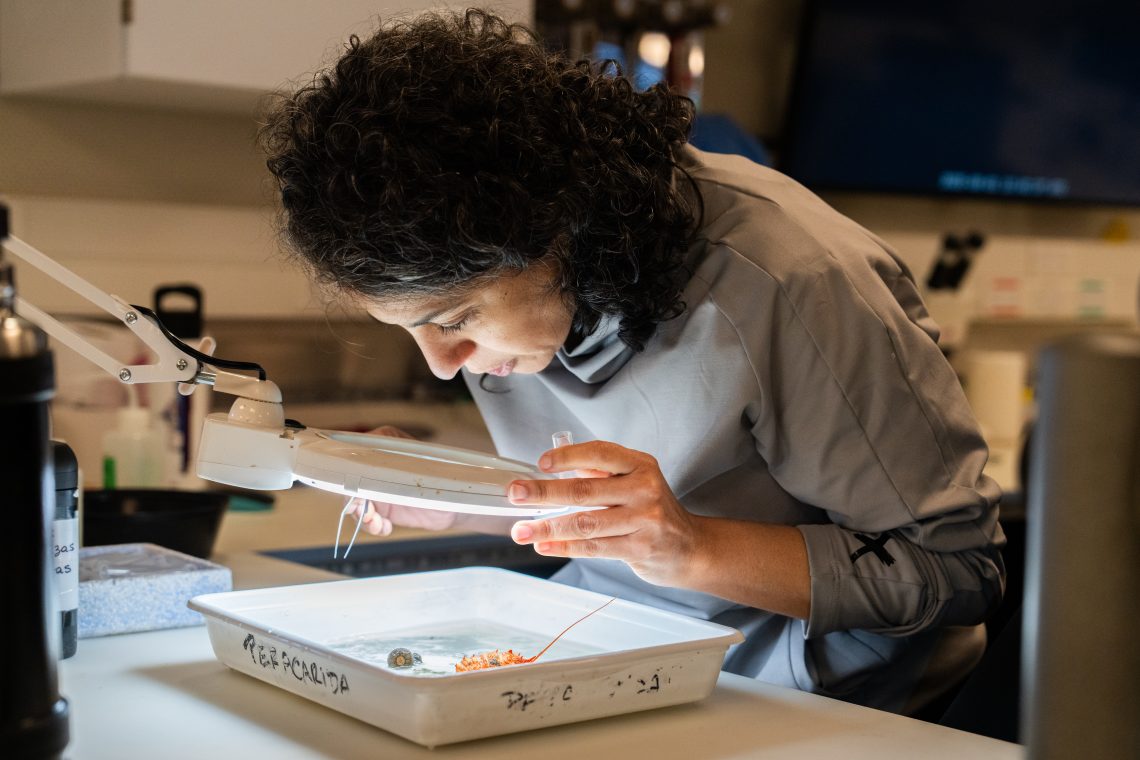
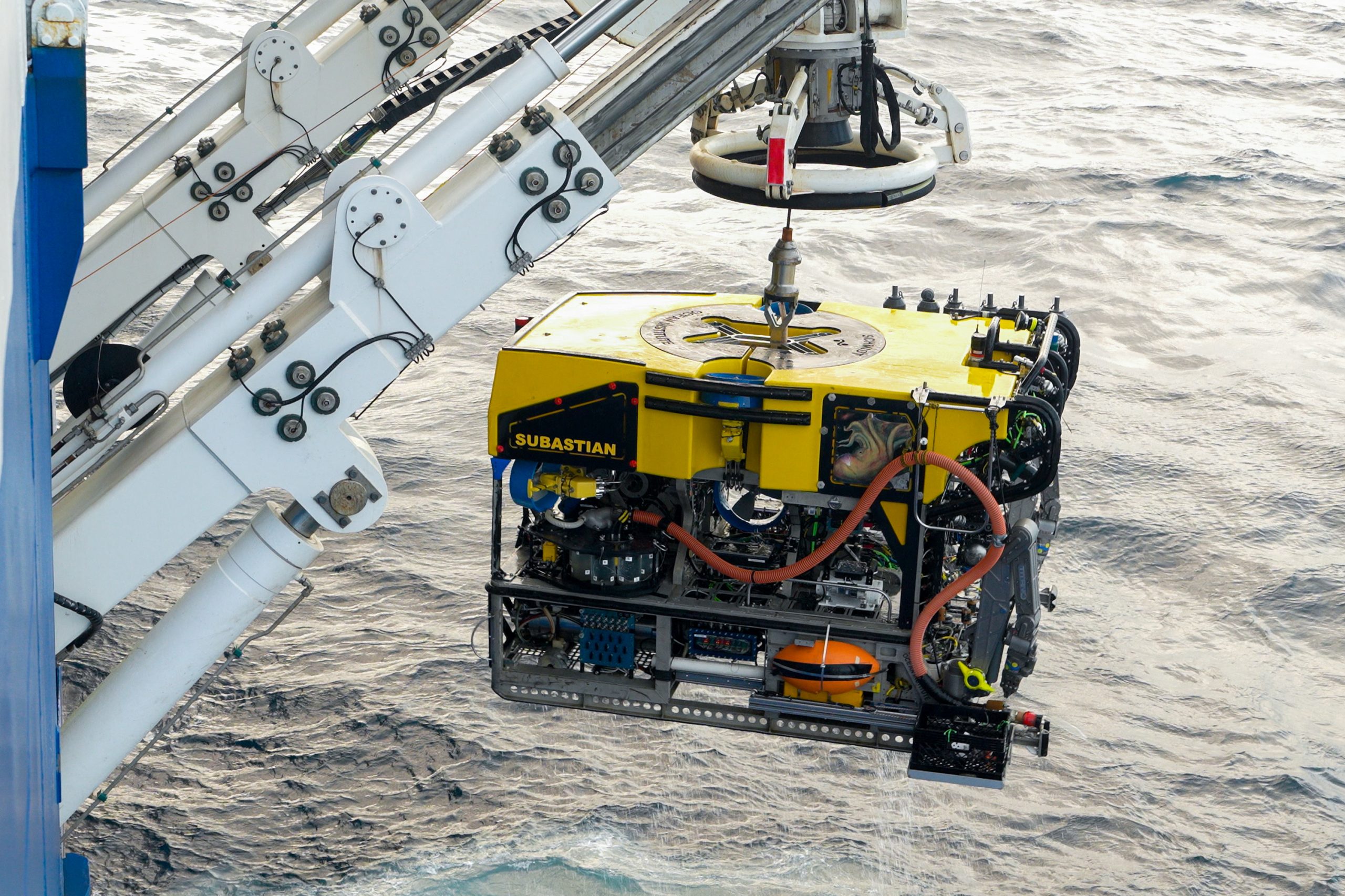
Led by Dr. María Emilia Bravo from the Faculty of Exact and Natural Sciences – University of Buenos Aires, and the National Scientific and Technical Research Council (CONICET), Argentina, this local science team, in collaboration with international scientists, will undertake the first and most comprehensive visually guided study of Argentina’s cold seeps. They will characterize the biodiversity, functions, and habitats of deep-sea benthic ecosystems using the ROV SuBastian and their own cutting-edge methods. They seek to understand how the animal communities live and interact with localized physical, geological, and chemical conditions as well as with surrounding deep-sea ecosystems. They will also examine the amount and type of microplastics in the chemosynthetic habitats they encounter. Data collected during this expedition will constitute a regional baseline for managing resources and monitoring the impacts of industrial activities and climate change.
Tiny bubbles from the deep
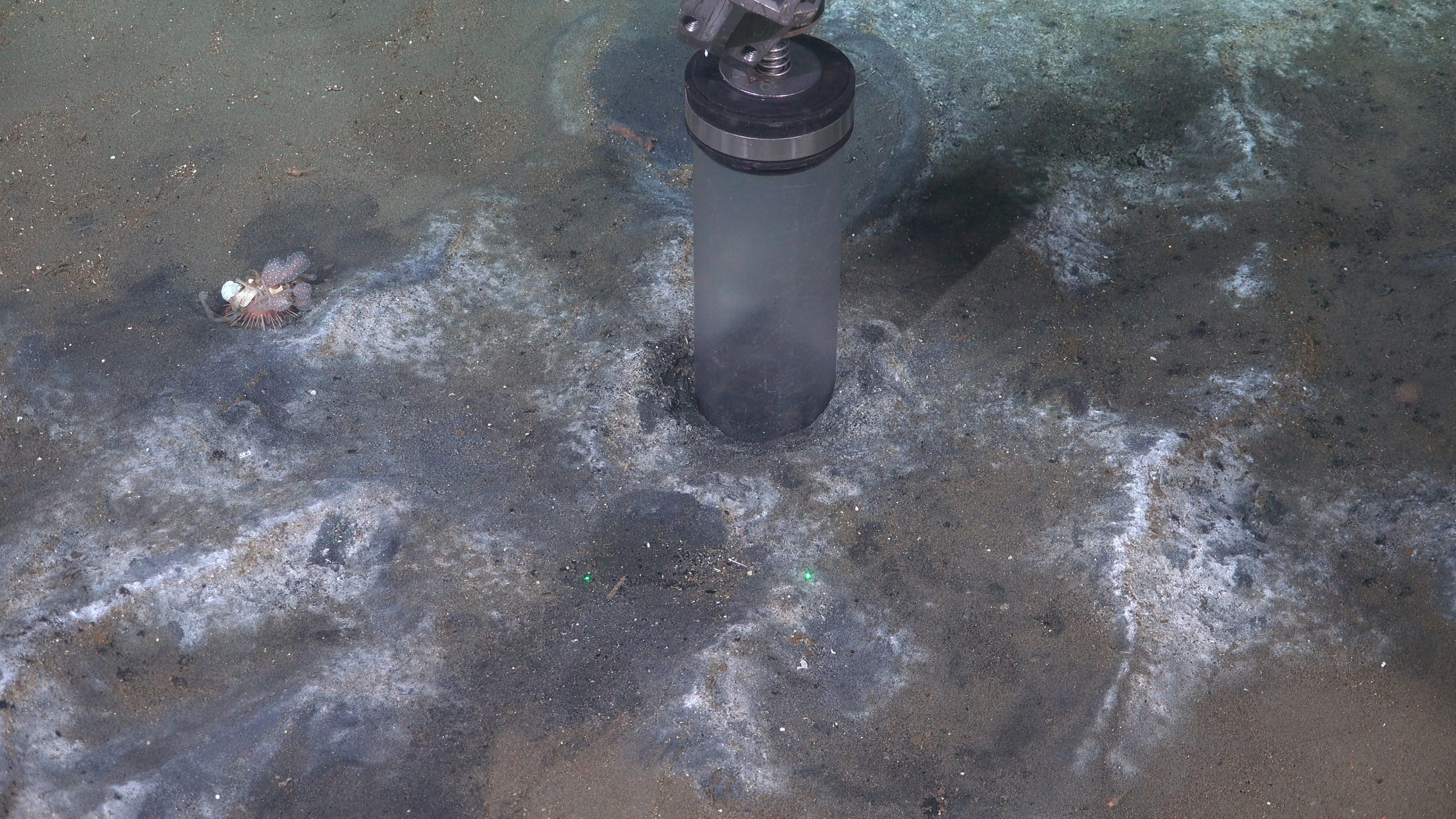
Fissures in the seafloor allow long-buried energy-rich gases, such as methane, to escape from the sediment, forming cold seeps. The chemicals bubbling up from the seafloor and the water column serve as a food source in the dark depths, where there is no sunlight to fuel photosynthesis and provide nutrients.
In the deep Ocean, tiny, almost invisible organisms — microbes — use chemicals like methane and hydrogen sulfide to power the reactions that ultimately produce glucose, or sugar. This process, chemosynthesis, is a building block for ephemeral and fragile ecosystems along the seafloor.
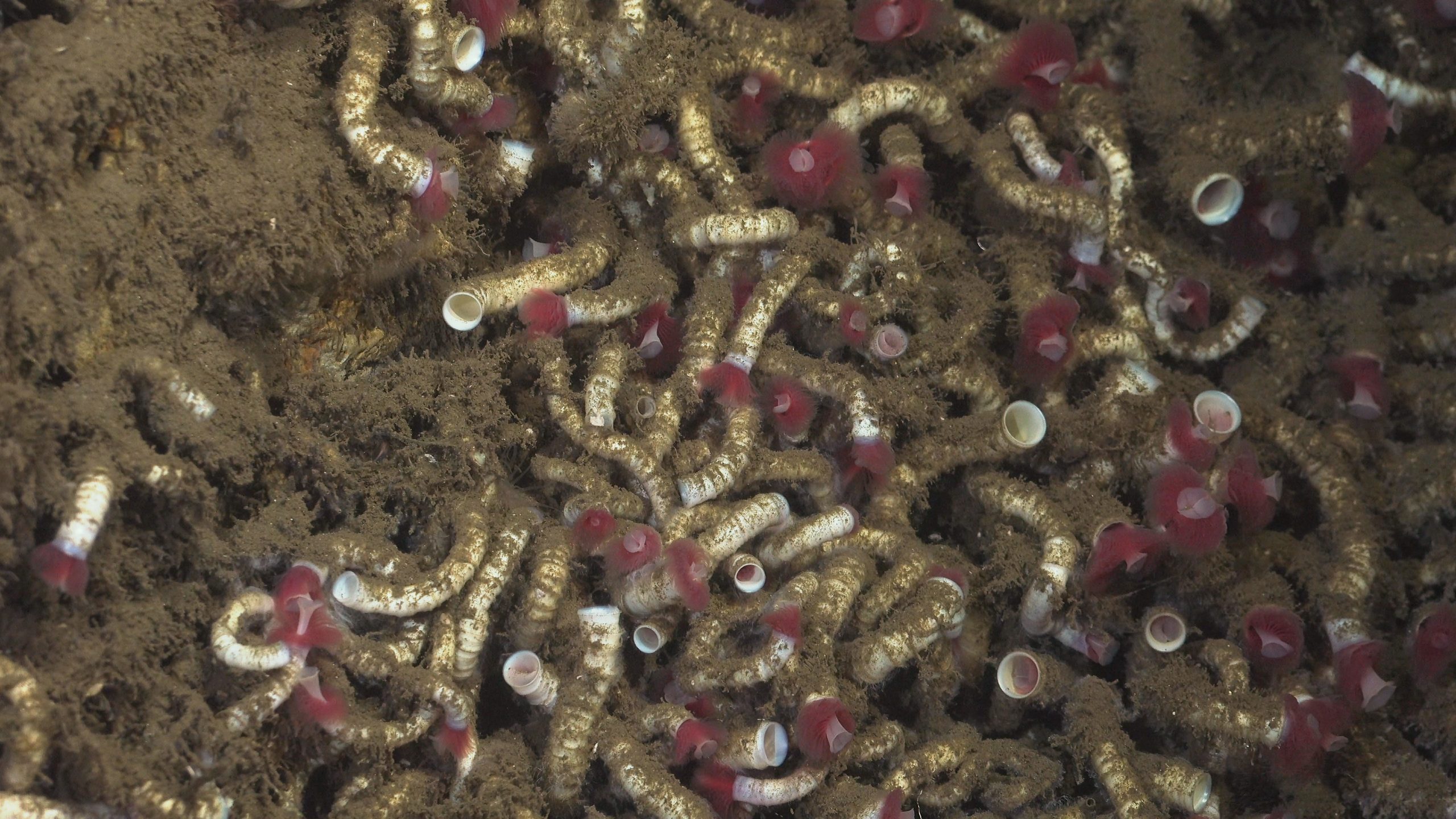
Chemosynthetic microorganisms are like the plants of the deep sea, sitting at the base of complex food webs that can include mussels, clams, crabs, and fish. There are several types of chemosynthetic ecosystems, and cold seeps are among the most abundant, yet are largely unexplored in the Southwestern Atlantic Ocean.
Lush, deep-sea oases form along these tiny cracks in the seafloor, and methane seep ecosystems are considered vulnerable. Patchy distribution, stationary animals that can live for hundreds of years, and dependence on chemical energy mean even the slightest disturbance can damage or destroy the entire ecosystem.
While many areas of the global ocean are hypothesized to support methane seeps, most have not been observed or officially documented by scientists.
Methane Seeps of Argentina
Dr. María Emilia Bravo and members of the expedition science team discovered and documented three areas off the coast of Southern Argentina that host methane seeps and chemosynthetic fauna along the continental shelf — Salado-Colorado, Colorado-Rawson, and Malvinas.
While sonar data provide strong evidence of seeps in these three regions, including bubbles in the water column and seafloor pockmarks, and likely chemosynthetic organisms, they have yet to be visualized. This expedition marks the first time scientists will have the advanced capabilities available via Schmidt Ocean Institute’s R/V Falkor (too) to visualize the influence of methane and how it shapes chemosynthetic ecosystems on the seafloor and to characterize the biodiversity and ecological functions of these seafloor oases.
From sonar mapping and subbottom profiling to search for bubbles in the water column and geomorphological indicators beneath the seafloor to collecting a host of samples, including eDNA, the science team will assess the newly discovered cold seeps and conduct an unprecedented exploration of the extreme habitats of Argentina’s deep sea.
In addition to exploring methane seeps, the team will search for other chemosynthetic stepping stones on the Argentine margin, like whale falls and woody material from land. Both can be ephemeral ecosystems that help animals reliant on chemosynthetic ecosystems persist as they search for new oases.
The team will also examine any cold-water coral communities they might find and assess their possible connectivity to the methane seeps, and whether any coral species rely on seeps for nutrients or hard substrate to grow on. And, they will assess the presence of microplastics in sediment, water, and animals collected from both near and far away from the seeps. The team will gather evidence to assess how cold seeps can accumulate microplastics or accelerate their degradation, integrating multiple trophic levels of the environment.
The team will include biologists, ecologists, geologists, and physical and chemical oceanographers, allowing them to characterize chemosynthetic ecosystems from multiple scientific perspectives, which together will provide a baseline for ecosystem-based management, informing policies to manage vulnerable habitats that may be impacted by both fishing and oil and gas exploration.
2025 Artist-at-Sea Anne Duk Hee Jordan
The expedition will be joined by Korean-born and Berlin-based artist Anne Duk Hee Jordan.
Transience and transformation are the central themes in the work of Anne Duk Hee Jordan. Through movement and performance, Jordan gives materiality another dimension – she builds motorized sculptures and creates edible landscapes. Her sculptures are intended to draw the viewer into the present and open a dialogue between natural phenomena, philosophy and art. Her work is like an interactive fantasy play with the knowledge and theories about the world and our souls. In the absence of concrete knowledge, fantasy runs riot. Jordan opens up doors to a universe where she humorously and romantically creates machines that juxtapose robotic consciousness with organic cyclic decay and life. She asks questions about an »agency« and encourages a change of perspective. She shifts the focus away from humans towards the entire ecology.







Team