Two back-to-back expeditions in the Southwest Atlantic Ocean investigated critical, understudied mechanisms driving carbon export to the deep sea: the guts of migrating animals and phytoplankton living in vast ocean gyres.
Video and photos available here.
Rio de Janeiro, Brazil — Scientists completed two transformative research expeditions in the Southwest Atlantic Ocean designed to fill major gaps in the understanding of the biological pump — the process by which the Ocean transfers carbon from the surface to the deep sea, which is vital to climate regulation. The cruises, supported by Schmidt Ocean Institute and Schmidt Sciences’ Ocean Biogeochemistry Virtual Institute (OBVI), took place between January and April on board the institute’s research vessel Falkor (too).

The first expedition, Animals as Living Bioreactors, in January-February was led by Dr. Anitra Ingalls of the University of Washington, U.S., and collected data in waters far off the east coast of South America, from Argentina to Brazil. The team studied the digestive systems of fish, jellies, and other animals that undertake the world’s largest migration, swimming every night from the depths to feed at the surface, then returning to the deep before daybreak to evade predators. Billions of animals perform this daily migration, and scientists do not yet fully understand the role they play in carbon export to the deep.
“These animals feed at the surface daily, effectively capturing carbon, and then they carry that carbon in their guts down to 1,500 meters, which they eventually excrete,” said Ingalls. “We believe these animals are overlooked as a key part in the delivery of carbon to the deep.”
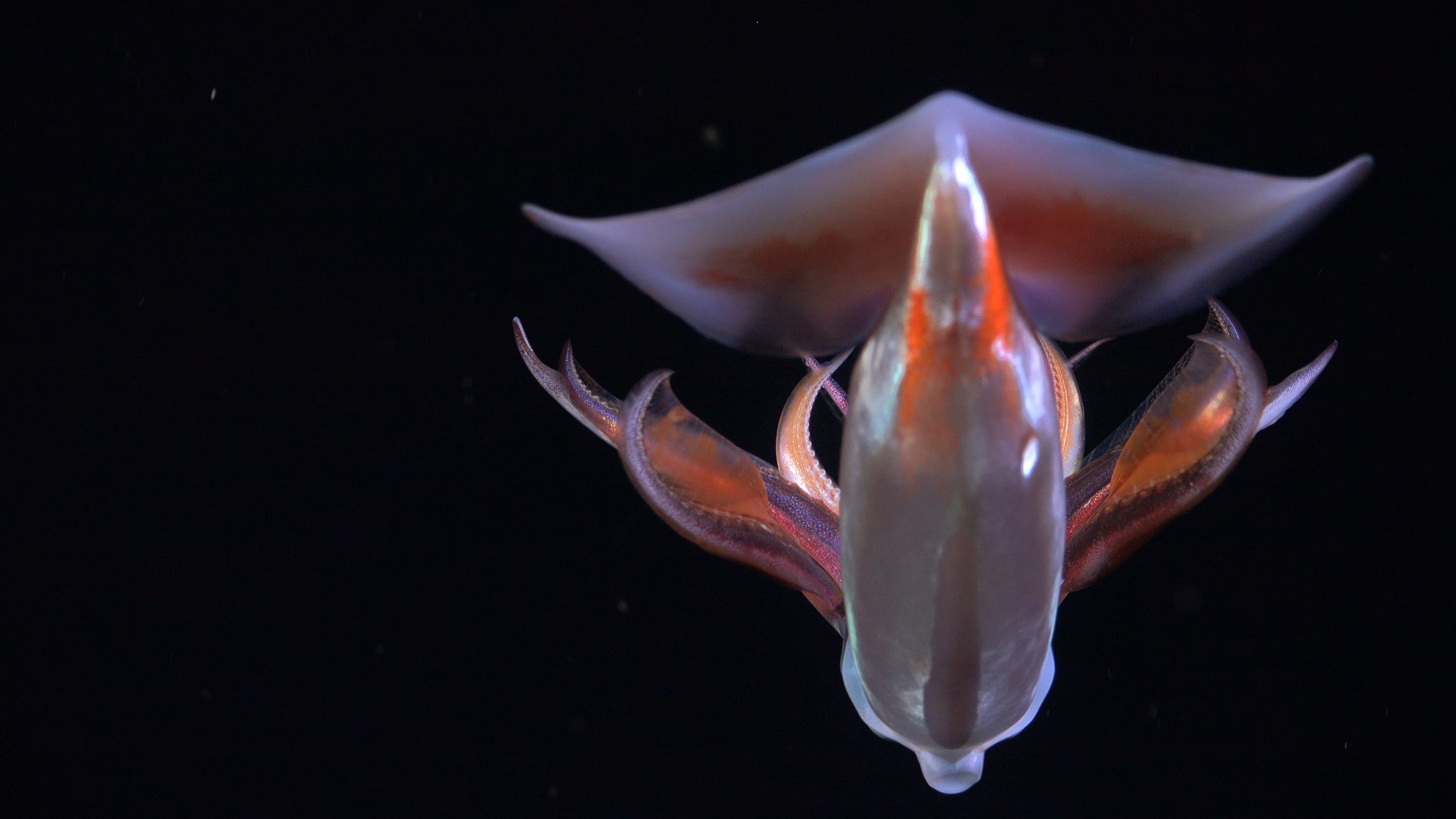
One question the team aims to answer through further analyses is whether these animals’ gut microbiomes are transforming food into essential nutrients like vitamin B12 for animals living in deeper waters.
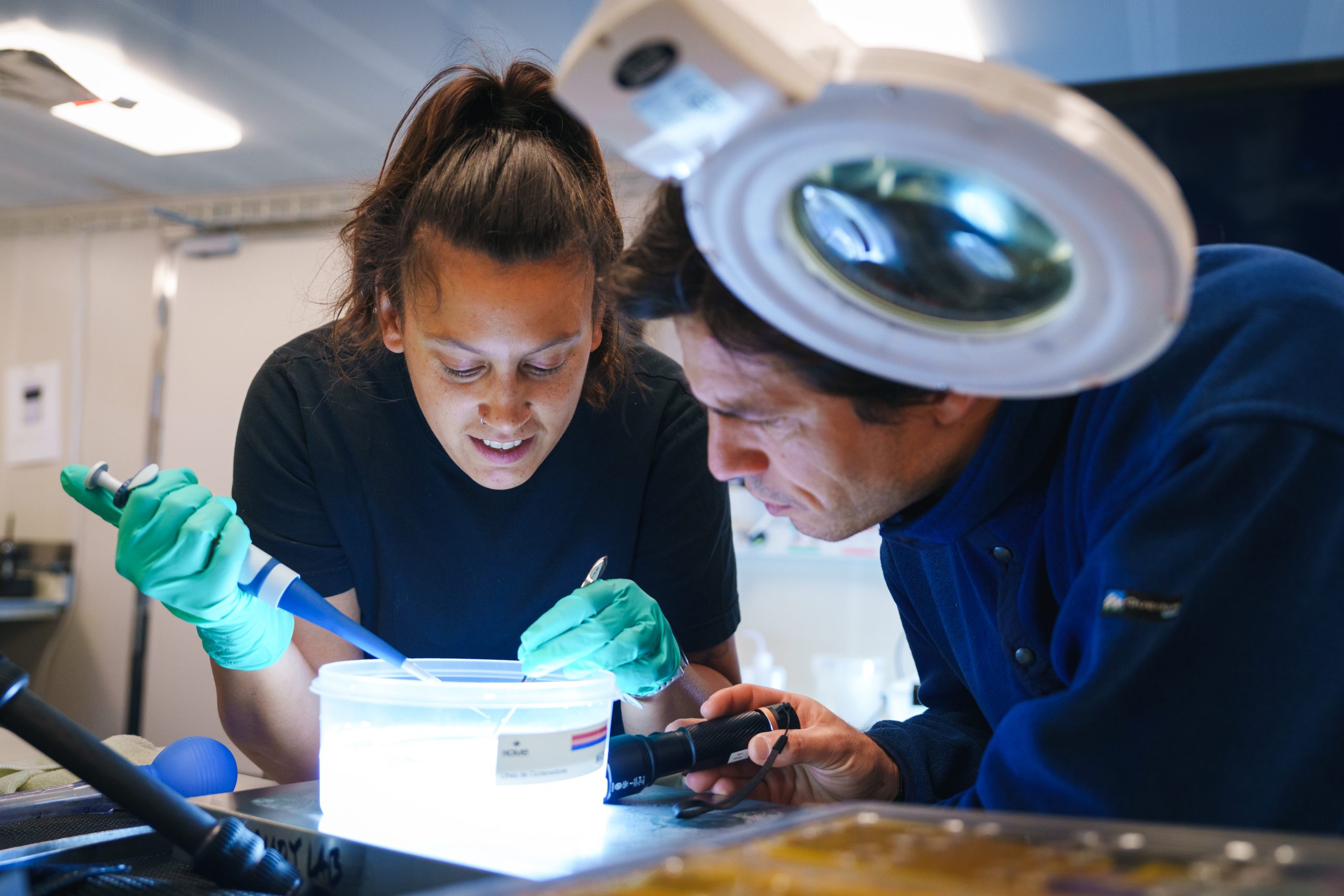
The team collected an abundance of animal samples for ongoing scientific research. Many will be donated to museums, some are animals that have not been observed in the South Atlantic, and others are likely new species, said Ingalls.
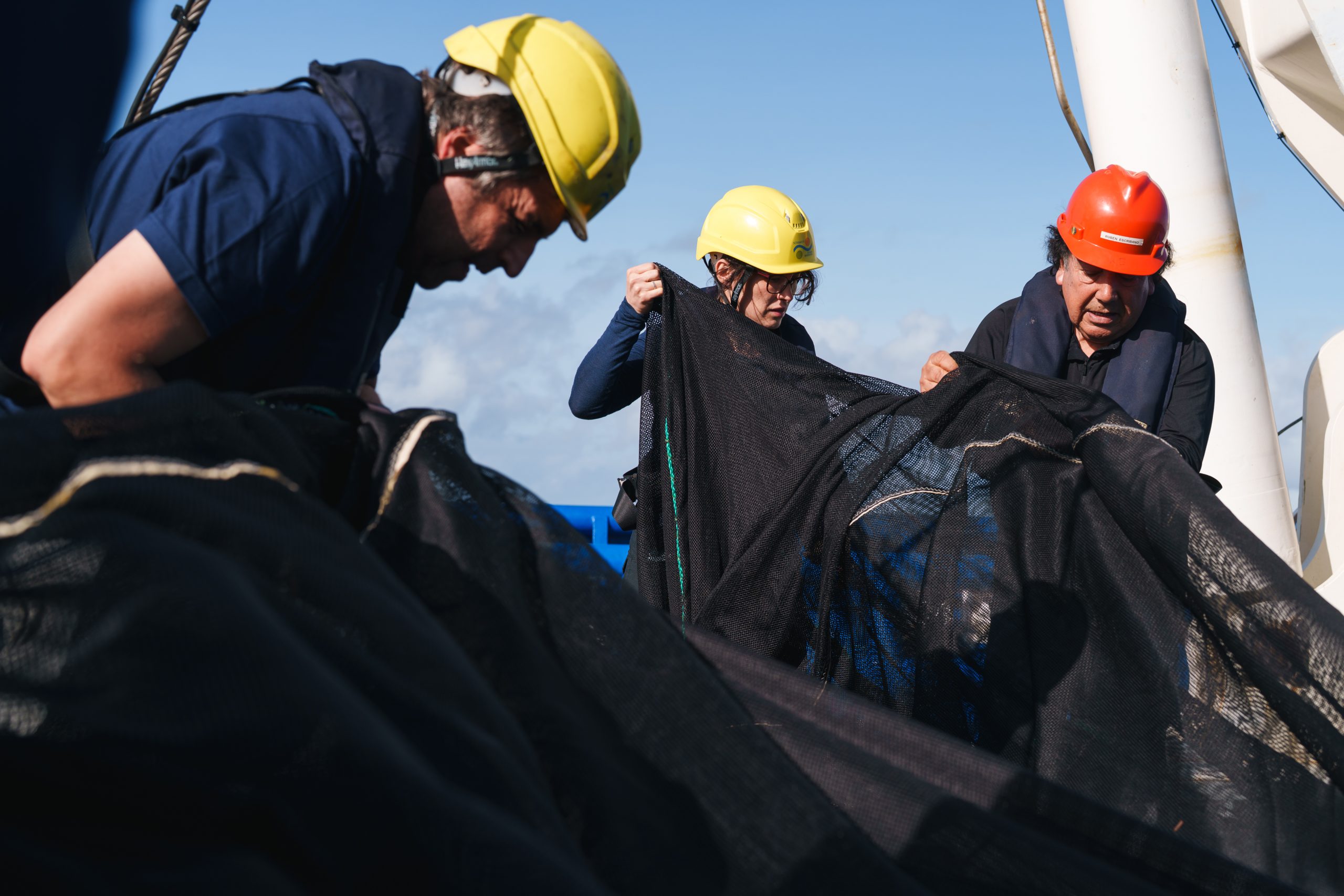
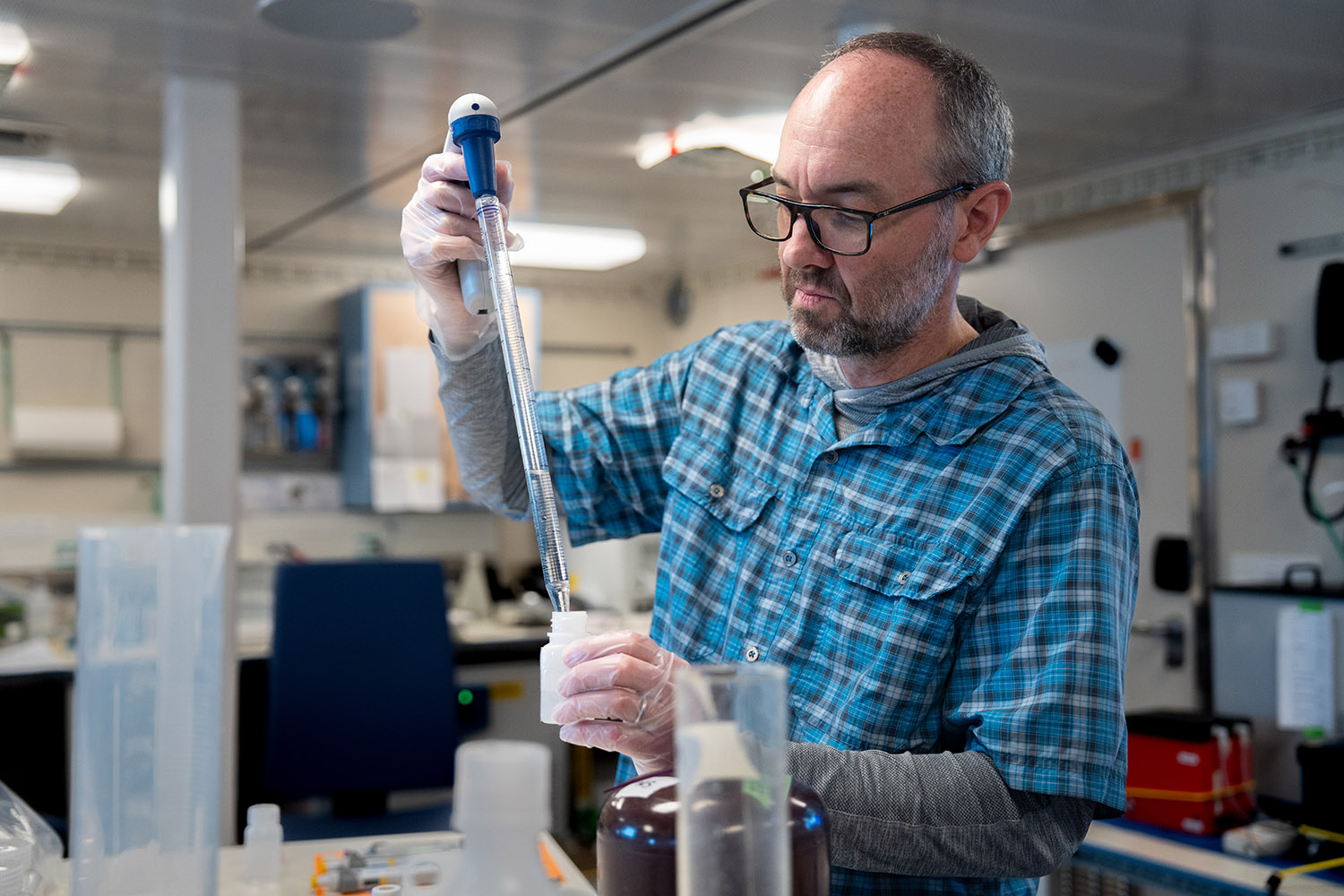
The second expedition in March-April, the Subtropical Underwater Biogeochemistry and Subsurface Export Alliance (SUBSEA), was led by Dr. Matthew Church of the University of Montana, U.S., and took place over 200 miles off the coast of Brazil. The SUBSEA team investigated how nutrients and carbon are cycled by microscopic algae, called phytoplankton, living in the Southeastern Atlantic Gyre. Ocean gyres are vast, nutrient-poor systems and among the most expansive habitats on Earth. Their surface can only be fully observed by satellites.
But Church’s team isn’t focused on the phytoplankton living at the surface. They are interested in those living at about 100 meters depth – where sunlight starts to dim – and satellites cannot be used to measure their activity.
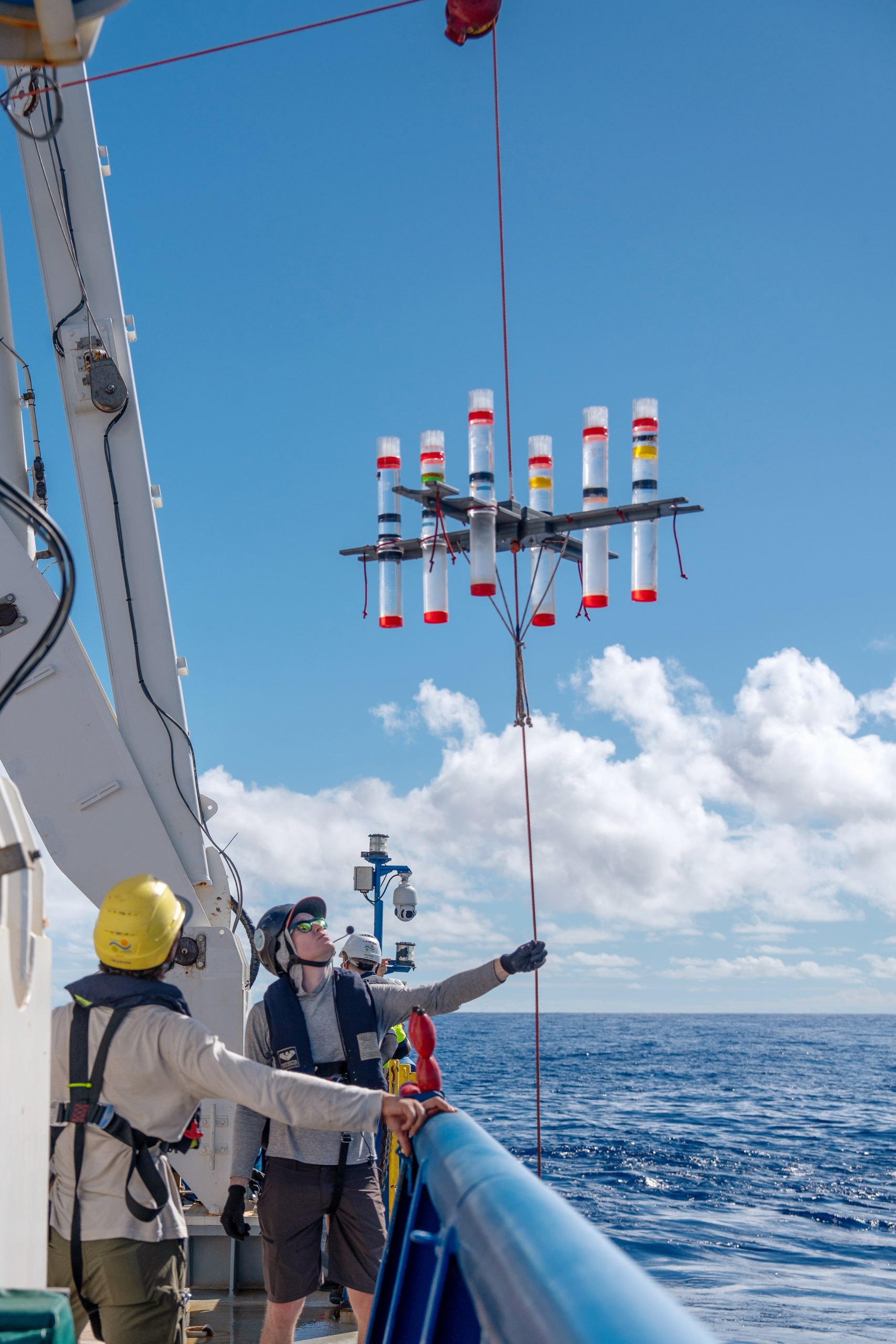
On the expedition, they caught the tail end of a massive phytoplankton bloom that was beginning to die and decay. One hypothesis is that these surface plankton effectively provide “compost” for phytoplankton living further down. Questions remain about the source of the nutrients needed to sustain phytoplankton growth, including iron, phosphorus, and nitrogen.
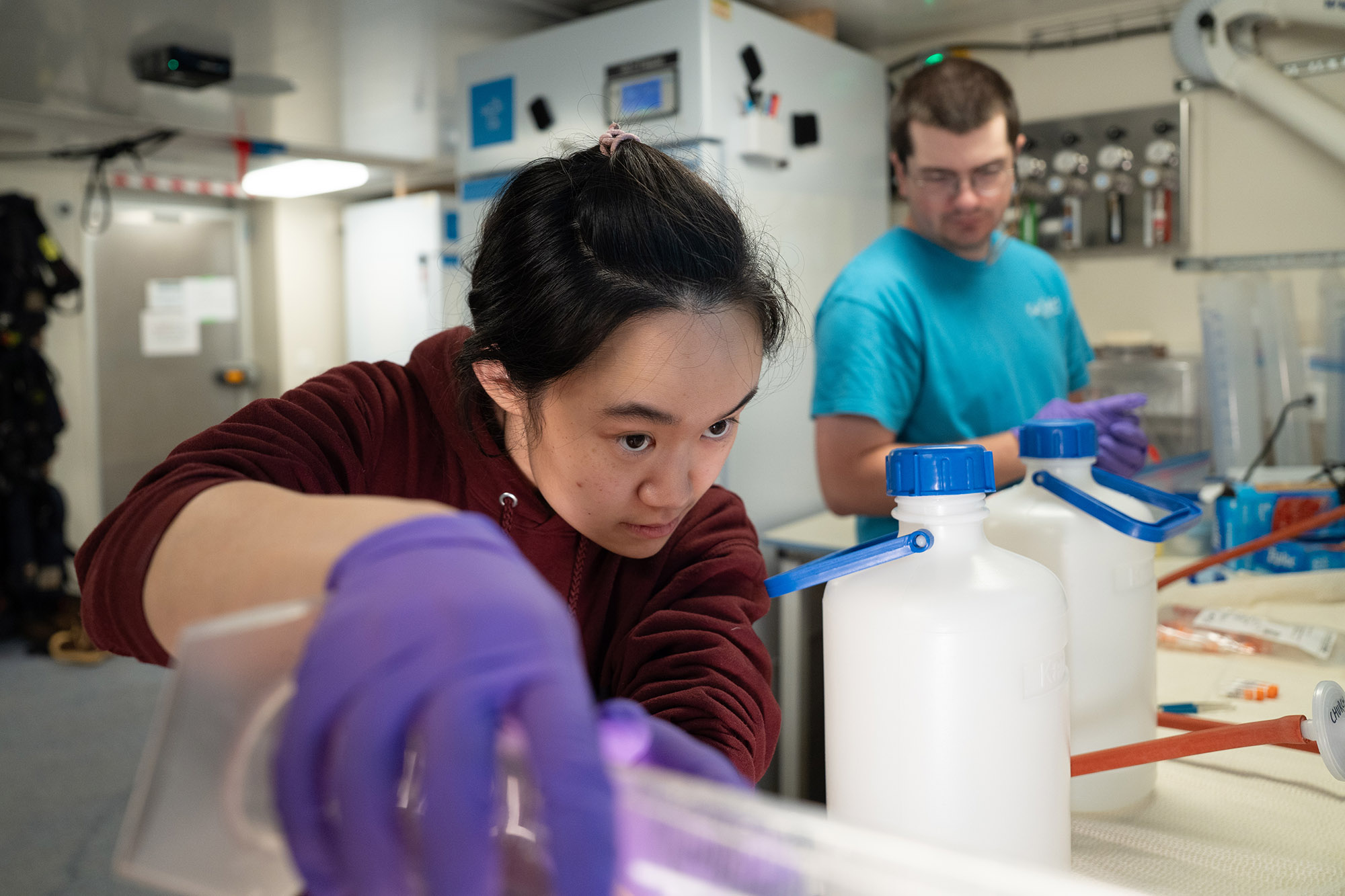
“The processes that sustain subsurface phytoplankton remain mostly unknown,” said Church. “The outcomes of this cruise will specifically improve understanding the biological and chemical interactions taking place in the dimly lit portion of the upper ocean and the role they play in carbon export to deeper waters.”
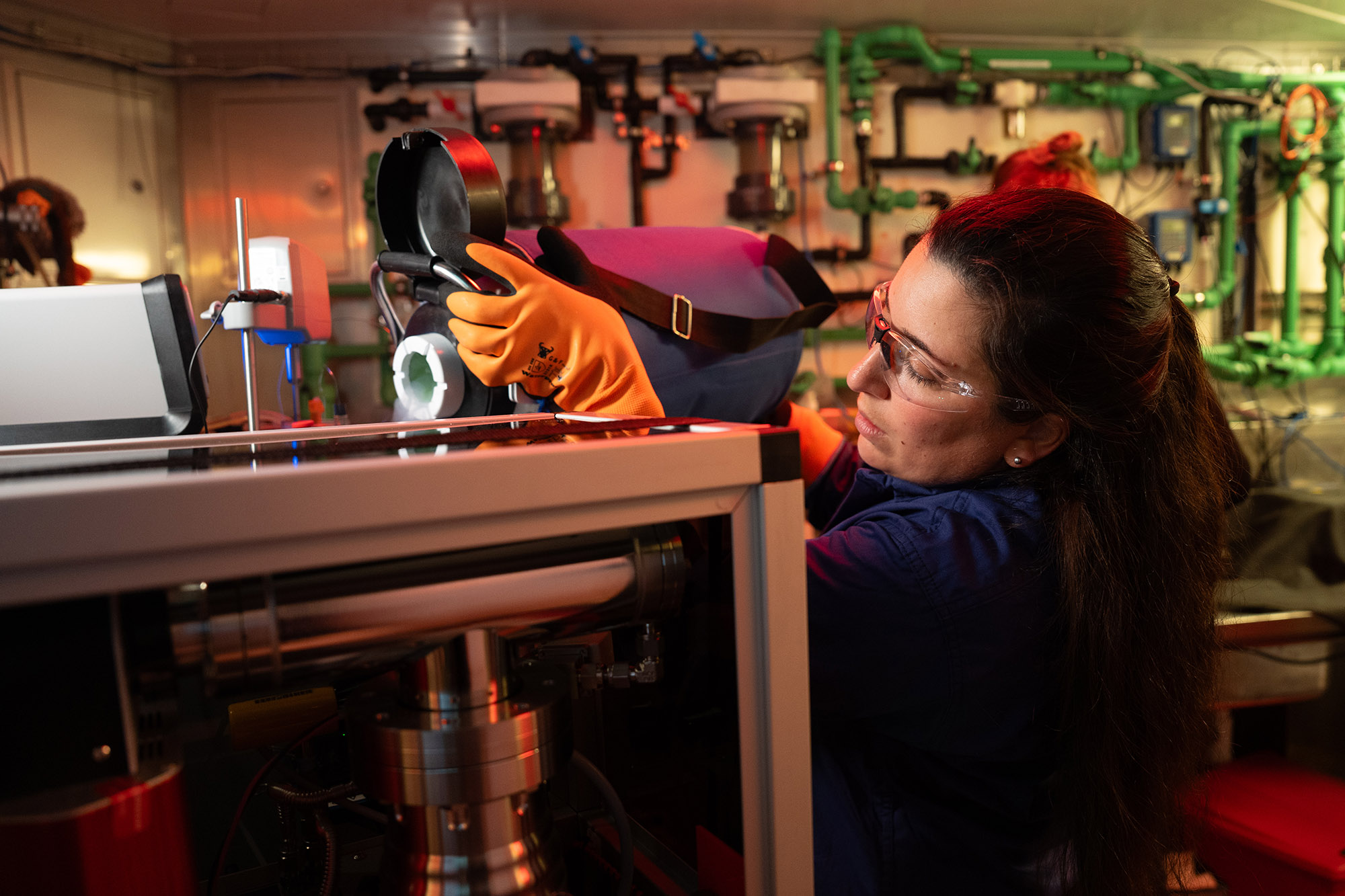
Understanding the biological pump is critical because the Ocean absorbs one-third of the carbon dioxide produced by human activity, and scientists do not fully understand how these emissions impact ocean health. Both projects, Animals as Bioreactors and SUBSEA, are long-term projects supported by Schmidt Sciences in the OBVI program.
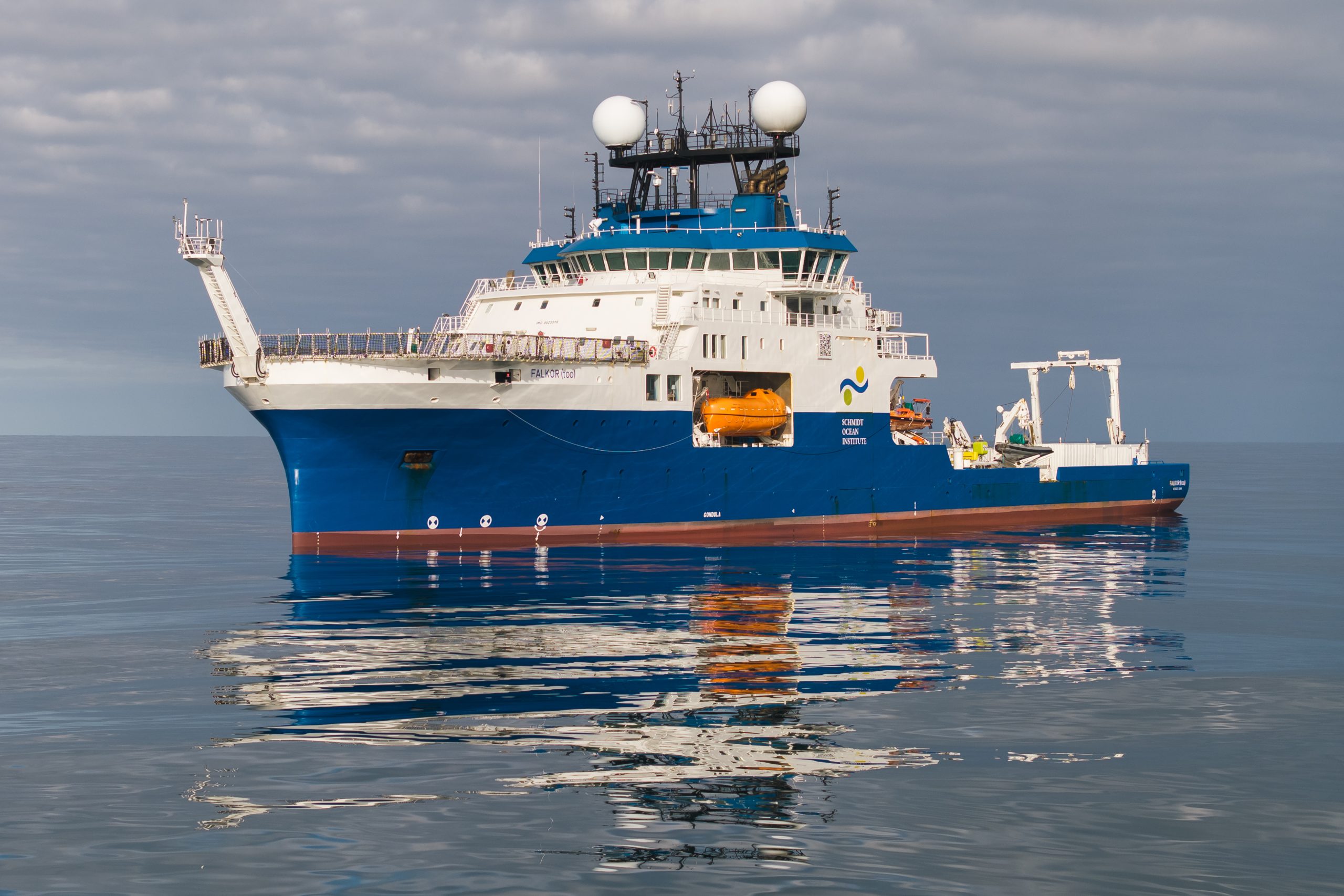
“Our Ocean plays a critical role in this planet’s climate,” said Schmidt Ocean Institute’s Executive Director, Dr. Jyotika Virmani. “Together with the Schmidt Sciences’ OBVI program, we are excited to support the mission to fill in major research gaps in the global carbon cycle that have been understudied for decades because they are hard to quantify.”
# # #
About the Organizations
Schmidt Ocean Institute was established in 2009 by Eric and Wendy Schmidt to catalyze the discoveries needed to understand our ocean, sustain life, and ensure the health of our planet through the pursuit of impactful scientific research and intelligent observation, technological advancement, open sharing of information, and public engagement, all at the highest levels of international excellence. For more information, visit www.schmidtocean.org.
Schmidt Sciences is a nonprofit organization founded in 2024 by Eric and Wendy Schmidt that works to accelerate scientific knowledge and breakthroughs with the most promising, advanced tools to support a thriving planet. The organization prioritizes research in areas poised for impact including AI and advanced computing, astrophysics, biosciences, climate, and space—as well as supporting researchers in a variety of disciplines through its science systems program.
Established in 1861, the University of Washington is one of the pre-eminent public higher education and research institutions in the world. With an enrollment of 60,000 students across more than 200 academic majors, the UW is dedicated to providing access to an excellent education for all students. The University is home to more than 100 members of the U.S. National Academies and elite programs in many fields, and is consistently among the nation’s top five universities in receipt of federal research funding. The UW has campuses in Seattle, Bothell and Tacoma, as well as UW Medicine, a world-class academic medical center with hospitals and clinics across the Puget Sound region.
Founded in 1893, the University of Montana is a top-ranked research university and its impact is felt locally and globally. Grizzlies go on to find success abroad and at home, known for their unbridled curiosity and creativity unmatched on either side of the Rockies. The University of Montana strives to be both accessible and accountable — respected worldwide and responsive at home. What’s made at the University of Montana is remaking the world.