In a comprehensive expedition that examined deep-sea ecosystems offshore the entire length of Argentina, scientists discovered the largest-known Bathelia candida coral reef, chemically rich cold seep environments, and documented a rare phantom jellyfish.
Video and photos available here.
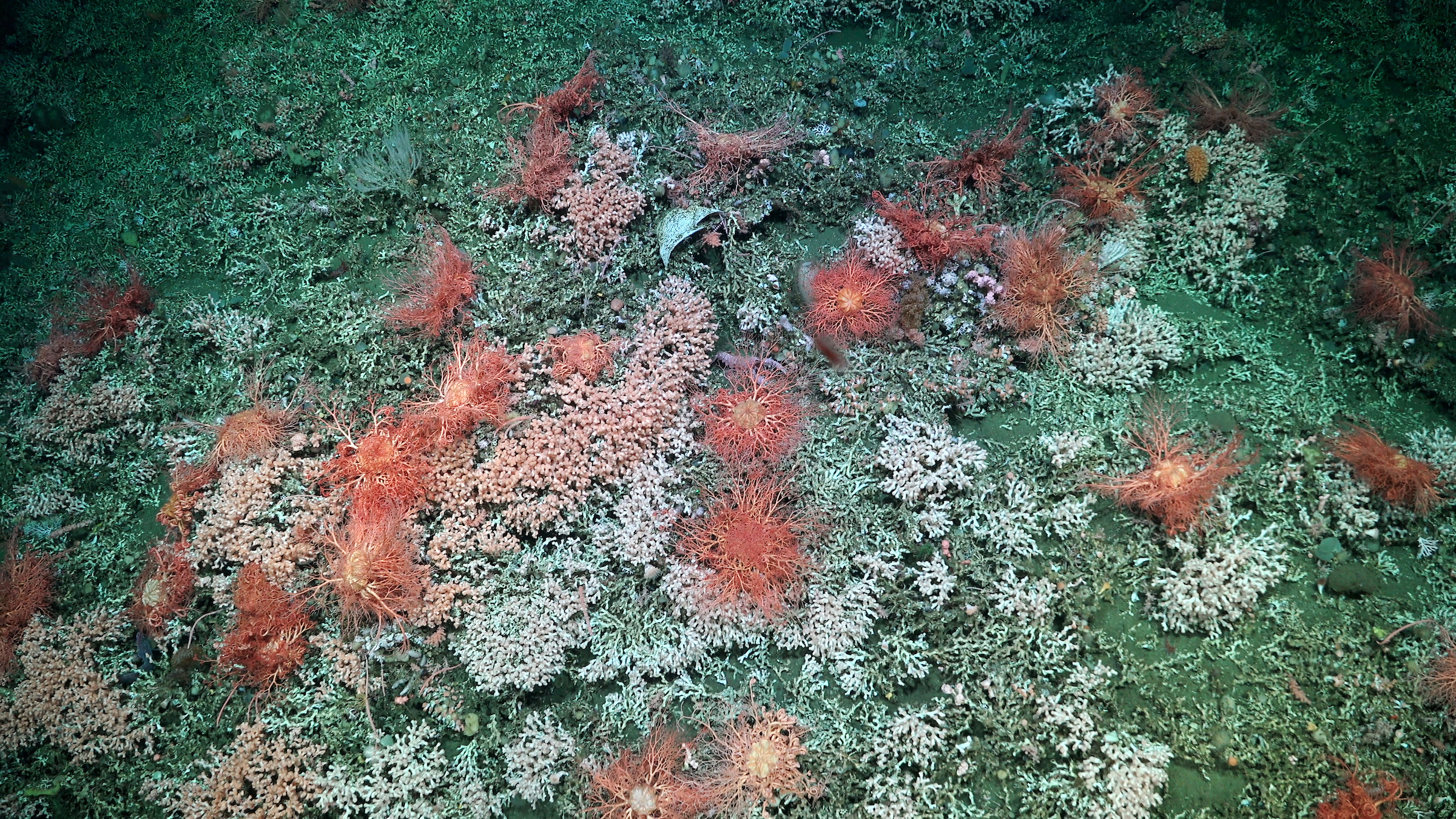
Buenos Aires, AR — On an Argentinian-led science expedition aboard Schmidt Ocean Institute’s R/V Falkor (too), a science team observed stunning biodiversity along the country’s continental shelf. Traveling along the entire length of the coastline, from Buenos Aires in the north to an area offshore from Tierra del Fuego, the team documented the largest known Bathelia candida coral reef in the global ocean, several other rich reef complexes, and 28 suspected new species, including worms, corals, sea urchins, sea snails, and sea anemones.
“We were not expecting to see this level of biodiversity in the Argentine deep sea, and are so excited to see it teeming with life,” said the expedition’s chief scientist, Dr. María Emilia Bravo of the University of Buenos Aires and CONICET. “Seeing all the biodiversity, ecosystem functions, and connectivity unfolding together was incredible. We opened a window into our country’s biodiversity only to find there are so many more windows left to be opened.”
Covering at least 0.4 square kilometers, the Bathelia reef is nearly the size of Vatican City. This stony cold-water coral provides habitat for other organisms, such as fish, crustaceans, and octopuses. Recognized as a Vulnerable Marine Ecosystem (VME) indicator species, Bathelia candida has been documented throughout the Southwestern Atlantic Ocean, with the largest patches off the coast of Argentina, but scientists hadn’t understood its extent until this expedition. The team found Bathelia reefs 600 kilometers (373 miles) further south than its known range, at 43.5° latitude.
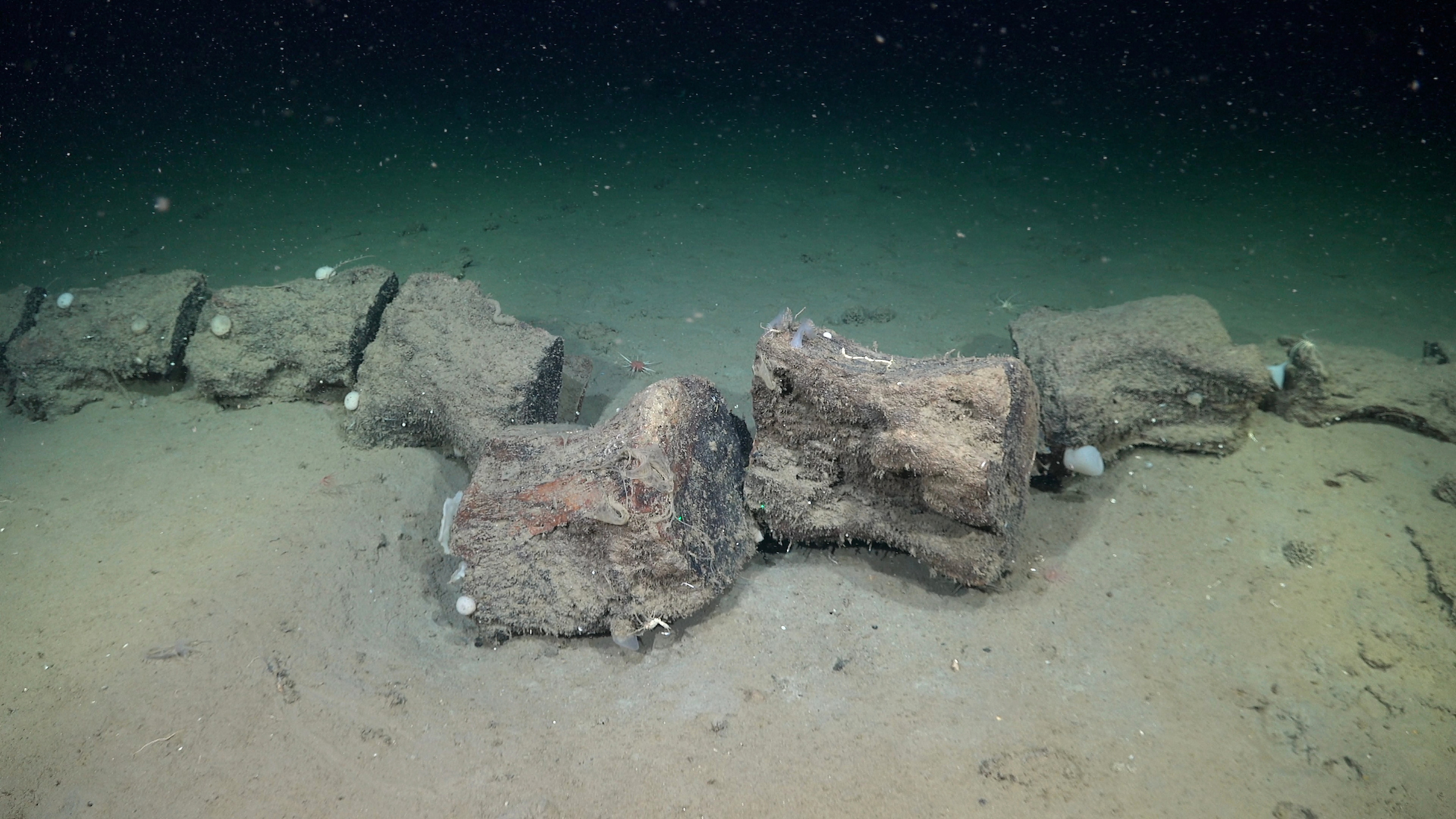
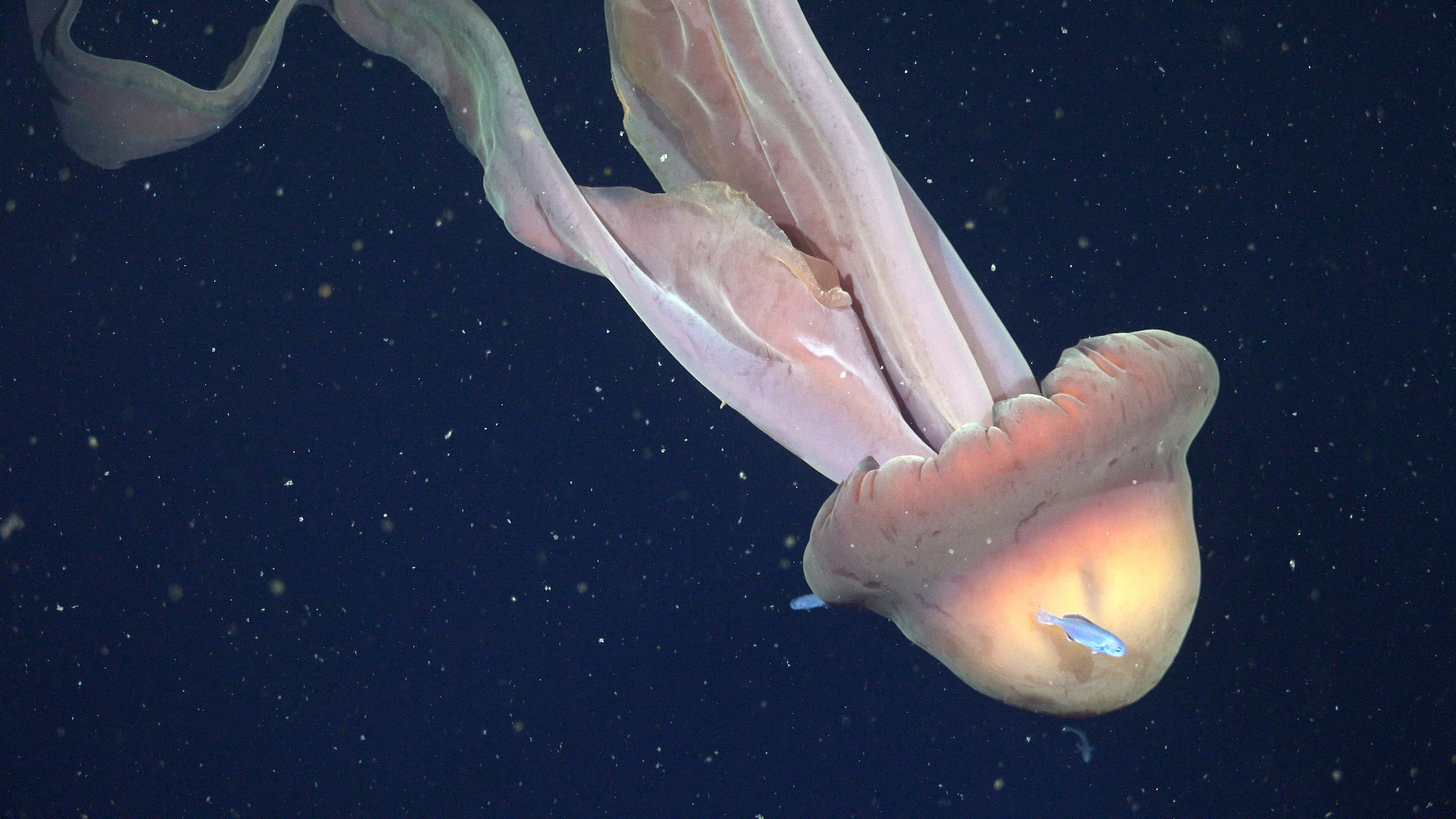
The team also documented Argentina’s first deep-water whale fall at 3890-meters-depth and a rare phantom jellyfish — a deep-sea jelly that can grow as long as a school bus. Whale falls — places on the seafloor where a whale’s body lands after the animal dies — serve as temporary ecosystems, providing food for animals, including octopuses, sharks, and crabs. In addition, the scientists observed ancient Bubblegum coral gardens (Paragorgia arborea) nestled among large sponges in the 3000-meter-deep Malvinas Trough near Tierra del Fuego.
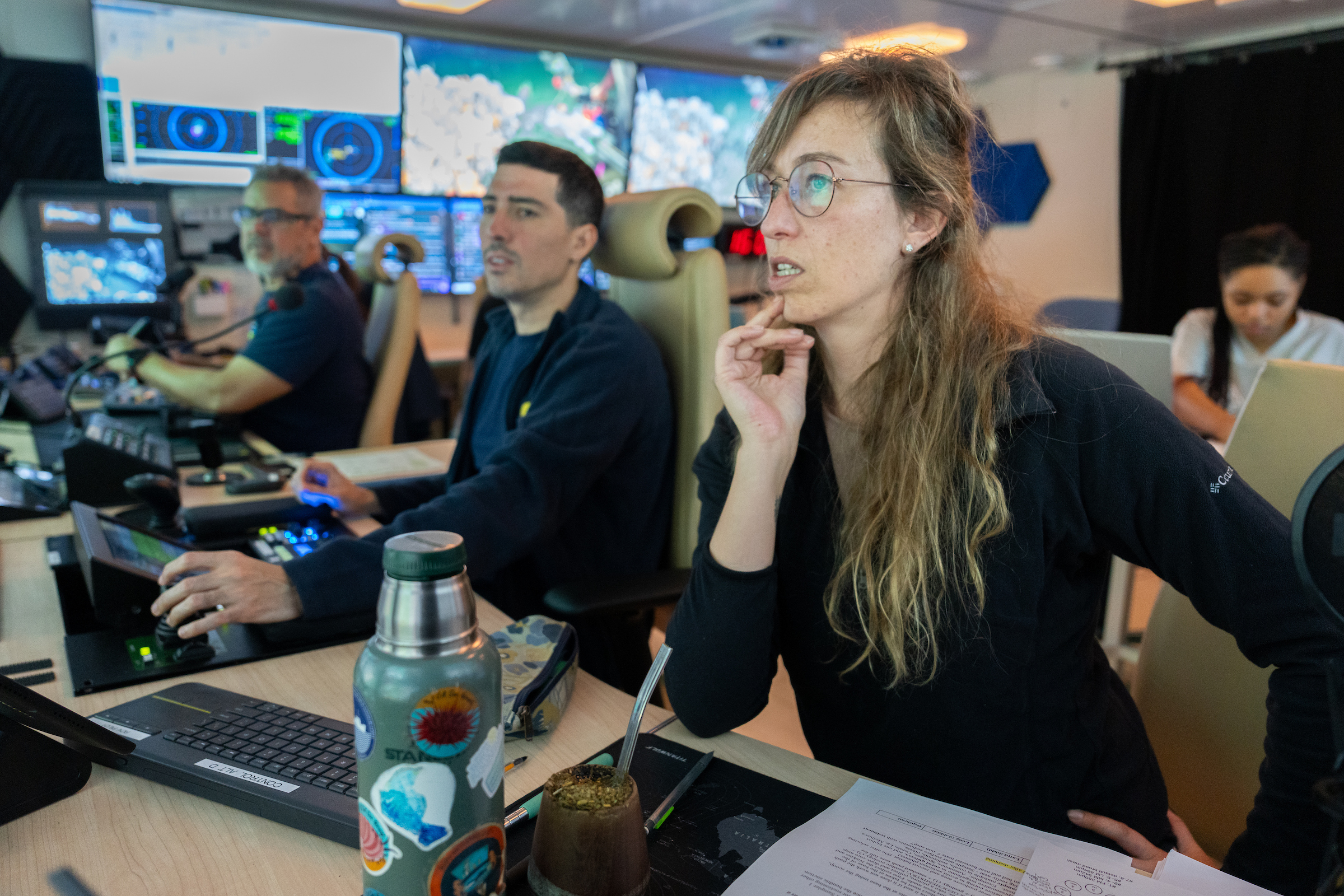
“We collected an unprecedented number of chemical, physical, and biological samples that will be used to understand connections in our waters for years to come,” said Dr. Melisa Fernández Severini of Instituto Argentino de Oceanografía and CONICET. “These samples represent a unique opportunity to understand not only how extraordinary these extreme ecosystems are, but also how vulnerable they can be.”
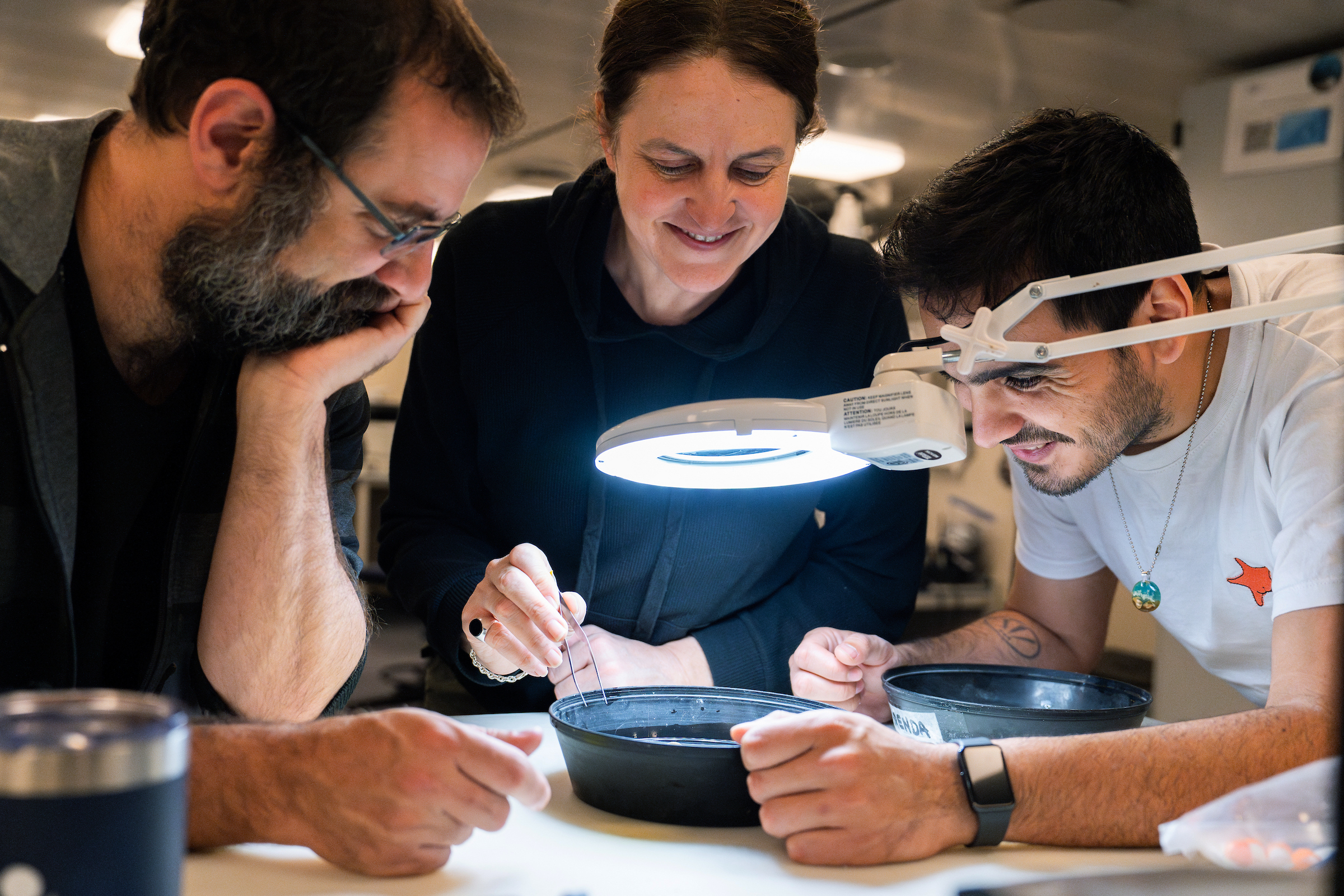
The team’s primary goal was to locate cold seeps, deep-sea environments where methane and other chemicals released from the seafloor serve as energy for microbes, which provide sustenance for animals like clams, mussels, and tube worms. They found one active seep measuring 1 square kilometer — twice the size of the Bathelia reef — which included a large patch of chemosynthetic clams.
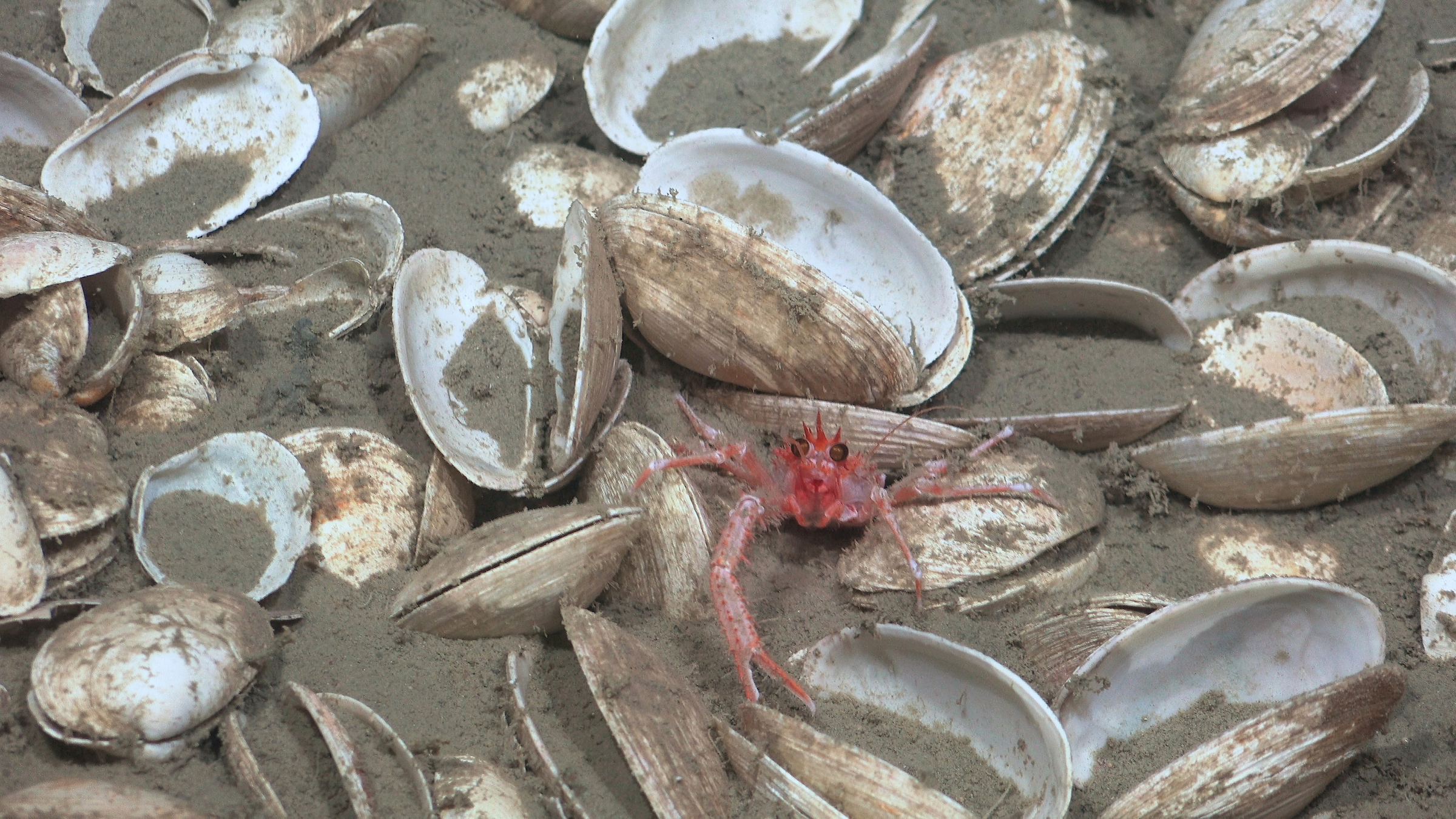
Scientific understanding of how cold seeps and deep-sea coral reefs interact is still in its adolescence, said Bravo.
The team observed trash in some areas, including fishing nets, garbage bags, and a VHS tape in near-pristine condition, owing to the durability of plastics. The sticker on the side of the tape is in Korean, but the team is not sure how it arrived off the Argentinian coast or how old it is.
“With every expedition to the deep sea, we find the Ocean is full of life—as much as we see on land, and perhaps more because the Ocean contains 98% of the living space on this planet,” said Schmidt Ocean Institute’s executive director, Dr. Jyotika Virmani. “We have been privileged to work with outstanding scientists across three expeditions in Argentinian waters, and look forward to seeing their research continue to unfold, unlocking new understanding and inspiration.”

—————
About the Organizations
Schmidt Ocean Institute was established in 2009 by Eric and Wendy Schmidt to catalyze the discoveries needed to understand our ocean, sustain life, and ensure the health of our planet through the pursuit of impactful scientific research and intelligent observation, technological advancement, open sharing of information, and public engagement, all at the highest levels of international excellence. For more information, visit www.schmidtocean.org.
University of Buenos Aires (UBA) Founded in 1821, UBA is a public, tuition-free and secular institution, recognized for its academic excellence, its strong commitment to scientific research, and its contribution to the country’s social, cultural, and productive development. With a broad range of undergraduate and graduate programs, UBA educates professionals and generates knowledge across all fields, promoting critical thinking, inclusion, and community engagement as core pillars of its mission.
The National Scientific and Technical Research Council (CONICET) is the main agency that promotes Science and Technology in Argentina. Its mission is the development and the execution of scientific and technological activities throughout the national territory in all areas of knowledge and the training of highly specialized human resources. According to this mission, the members of CONICET carry out high-impact research both in basic and applied science and its highly qualified human resources develop technologies in line with the demands and needs of both public and private institutions, and society in general.