2026 – The Southwest Atlantic Ocean
In 2026, we’ll continue to explore the Southern Atlantic, one of the least explored marine regions on Earth. From the deep waters off Brazil to seamounts in the Mid-Atlantic, international teams will document biodiversity, study physical, chemical, and geological phenomena, and map seafloor features.
We’ll support a host of scientists from around the world as they study some of the least explored areas of the Ocean while also testing cutting-edge technologies.
Who knows what they will find? Follow our journey via video updates and Divestreams on Schmidt Ocean Institute’s YouTube and social media channels — we’re excited to take you with us as we boldly explore our unknown Ocean.
Animals as Living Bioreactors – Part 1
19 January – 22 February 2026
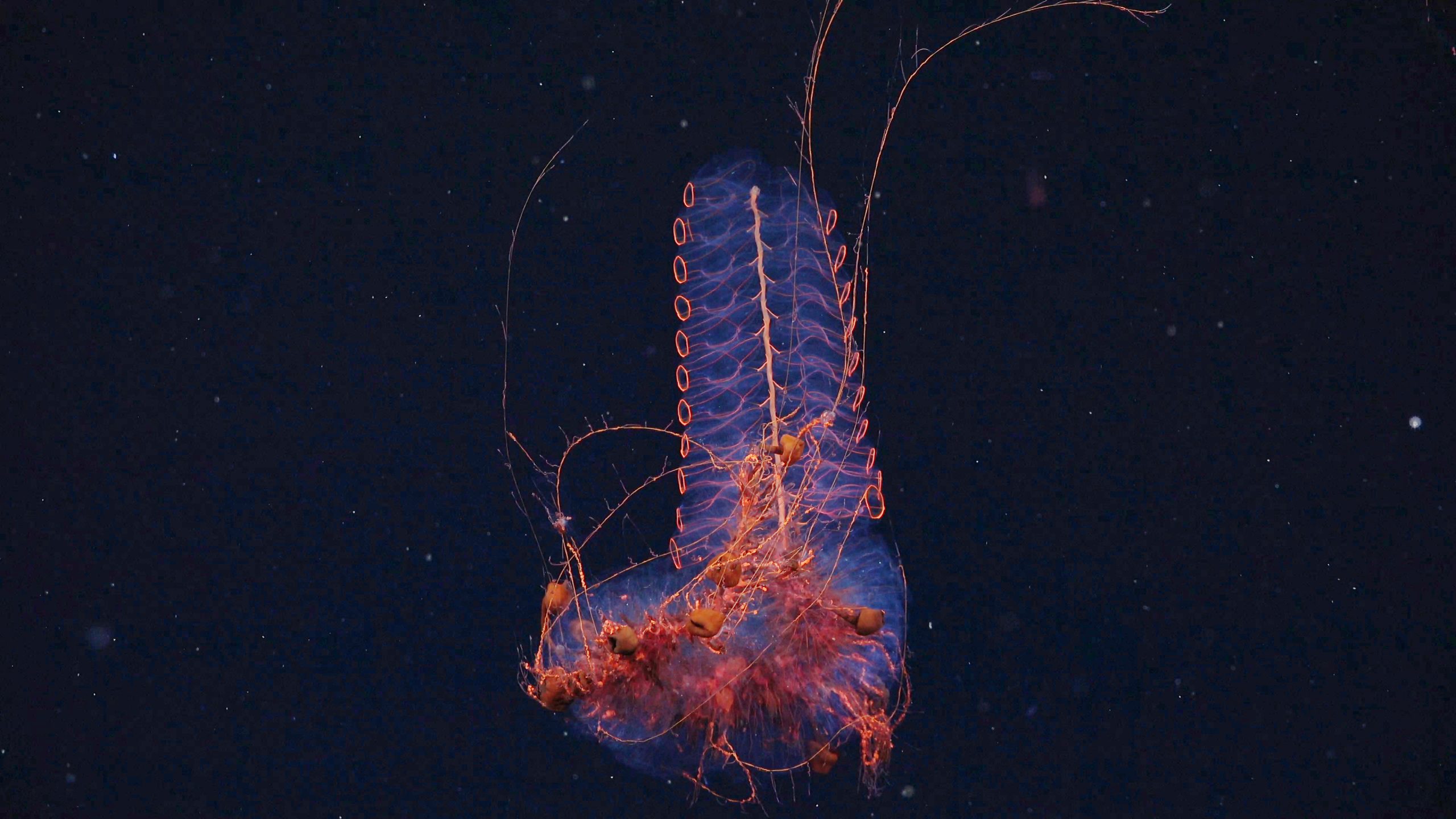 Each night in the open ocean, hundreds of millions of tons of fishes, shrimps, jellies, and other animals rise from the deep to feed near the surface. Then, at dawn, they descend hundreds of meters to avoid predators. This is the largest animal migration on Earth, and a major natural carbon-capture system. After these animals consume organisms and return to the depths, they carry carbon to the deep ocean. Together, these processes are thought to play a significant role in Earth’s carbon cycle, but this process of diel vertical migration remains poorly understood. In particular, very little is known about how biochemical reactions in animals’ digestive systems and gut microbiomes shape the fate of carbon.
During this expedition between Schmidt Ocean Institute and Schmidt Sciences’ Ocean Biogeochemistry Virtual Institute, Dr. Anitra Ingalls of the University of Washington, U.S., and an international team of scientists are studying the gut microbiomes of vertically migrating animals and how they impact carbon storage in the deep sea. Ingalls and her team suspect that midwater animal guts are underappreciated hotspots for microbial organic matter transformations and keystone biomolecule production on a scale of global significance.
Their research will commence in the Southwest Atlantic, in the deep waters off the coast of South America. Using ROV SuBastian, along with two large midwater trawls, acoustics, drifting sediment traps, and CTD and rosette casts, the team will quantify the amount of carbon captured through vertical migration, improving our understanding of the global carbon cycle. This is the first of two cruises for this team on R/V Falkor (too), in which they will make targeted observations of the animal gut microbiome and its metabolism, animal behavior, and carbon export to be incorporated into models over the next several years.
SUBSEA – PART 1
Subtropical Underwater Biogeochemistry and Subsurface Export Alliance
3 March – 6 April 2026
 The subtropical ocean gyres are thousands of kilometers in diameter, with an average depth exceeding 4,000 meters, making them one of Earth’s largest continuous biomes. Gyres are large, permanent circular current systems primarily driven by Earth’s global wind patterns and its rotation, and are found in each major ocean basin. While often deprived of nutrients, it is estimated that 20% of the ocean’s primary productivity occurs in the subtropical gyres, and these ecosystems may account for up to half of the global ocean carbon export to the deep sea. Understanding their biogeochemistry is required to develop accurate climate change models.
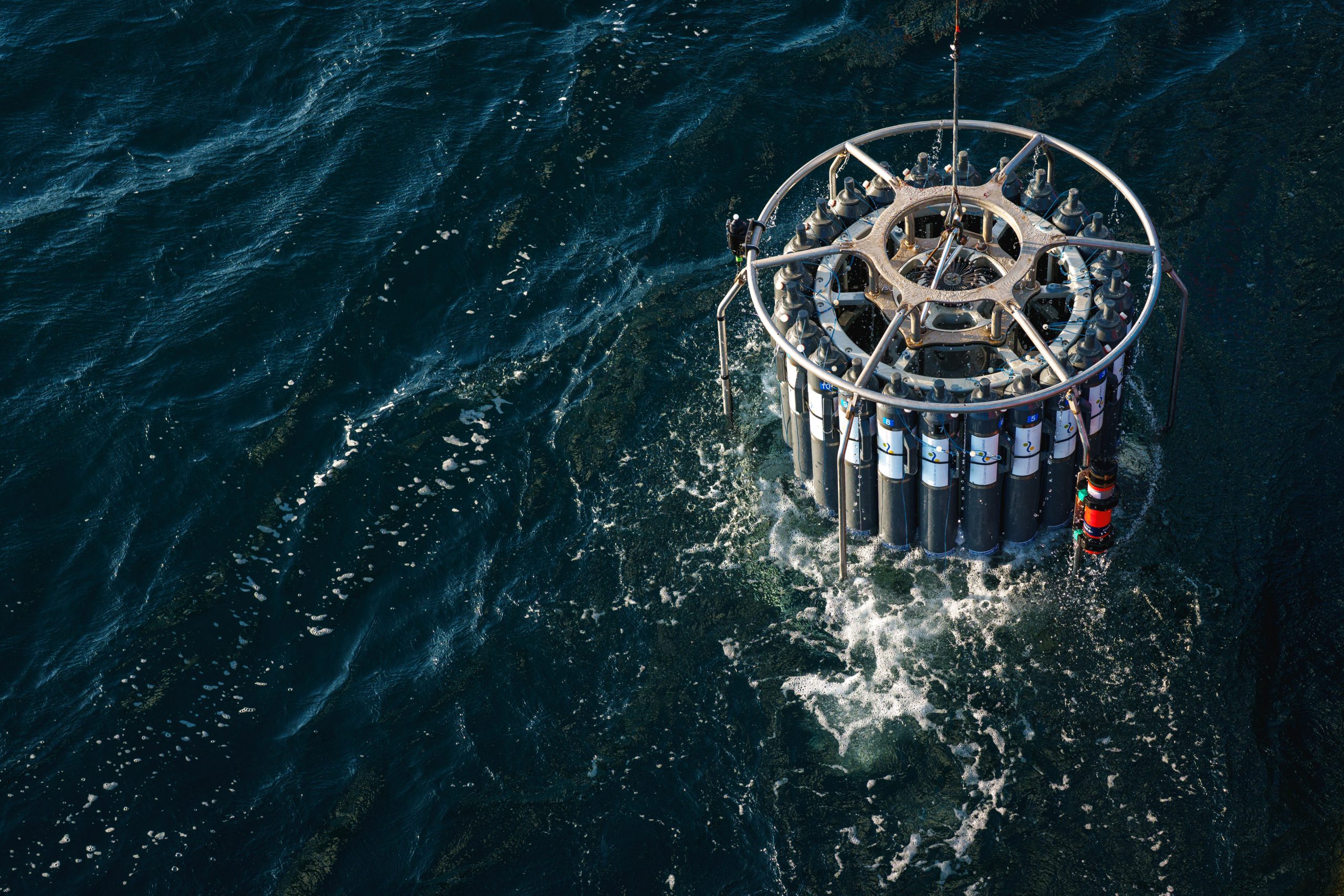
During this expedition between Schmidt Ocean Institute and the Schmidt Sciences Ocean Biogeochemistry Virtual Institute (OBVI), Dr. Matthew Church of the University of Montana, U.S., and a team of international collaborators will investigate nutrient exchange between the photic and twilight zones within the South Atlantic subtropical gyre. While the surface waters are nutrient-depleted, the waters below carry essential ingredients for sustaining life. The team will study the movement of particles and multiple factors related to primary productivity using a variety of instruments, including R/V Falkor (too)’s CTD, drifters, gliders, floats, McClane pumps, and a wirewalker profiler. The data collected will lead to a better understanding of the role of subtropical gyre ecosystems in nutrient cycles, thereby supporting a more accurate assessment of carbon export to the deep sea.
DeSIGNING THE FUTURE 3
15 April – 30 April 2026
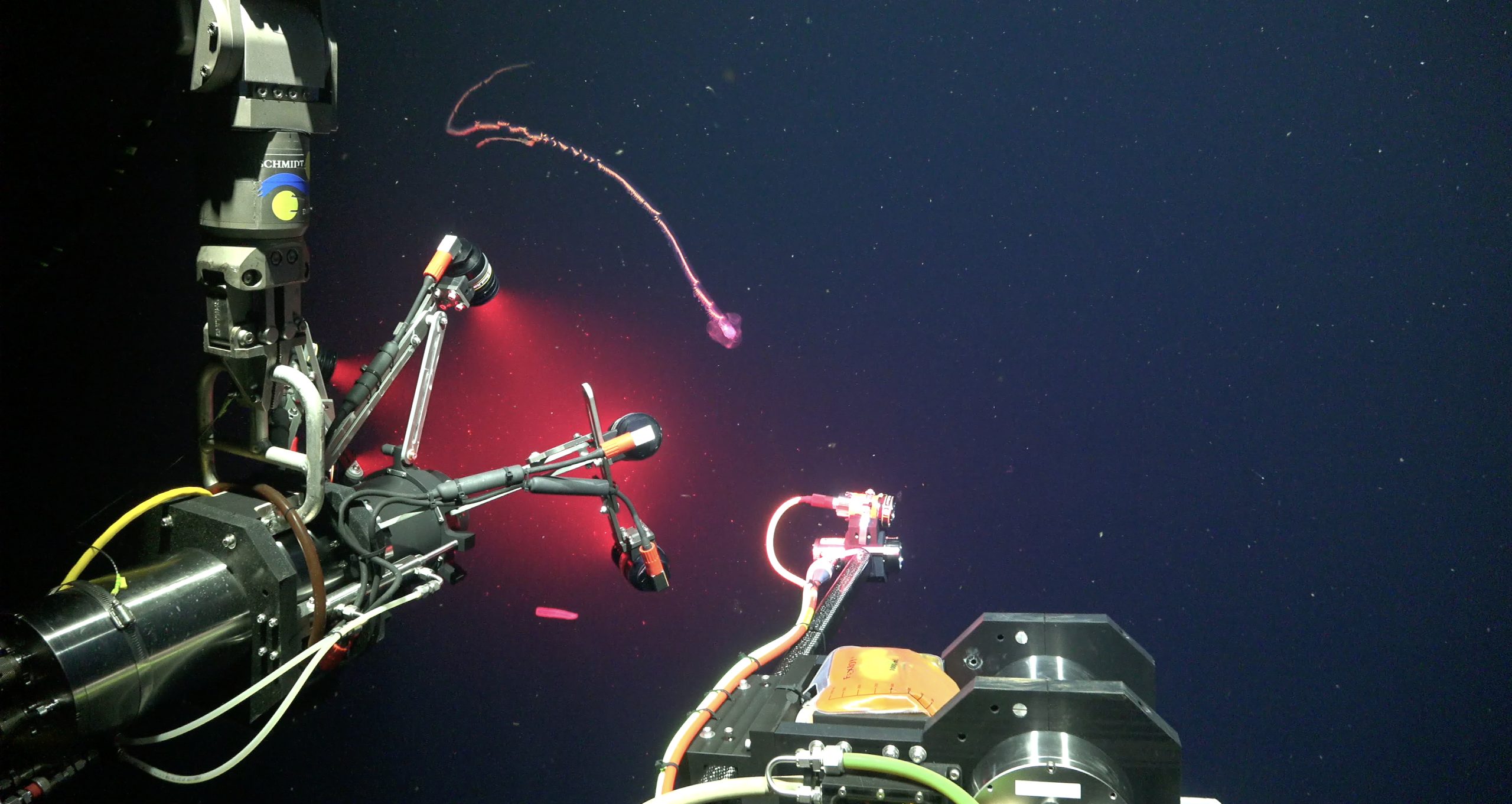
In the edgeless realm of the midwater, there is remarkable biodiversity. It is the largest habitat on Earth, extending from just below the sunlit surface layers to far beyond the sun’s reach. Biodiversity abounds in the form of gelatinous drifters such as ctenophores, jellies, and gossamer worms — many with fragile, transparent bodies and the ability to bioluminesce, or light up, the ocean depths. Despite their crucial roles in food webs and carbon sequestration, many mesopelagic animals are poorly studied because they are difficult to observe. Using novel techniques, the science team will create 4D computer renderings that capture the morphology of transparent organisms. By combining rich imagery with behavioral tracking and chemical studies, the team will gain a deeper understanding of how midwater animals live, feed, and move through the Ocean.
This expedition, led by Dr. Karen Osborn from the Smithsonian National Museum of Natural History, U.S., will use cutting-edge prototype technologies to explore midwater biodiversity, imaging midwater animals in both their natural setting and in virtual reality aquaria in the R/V Falkor (too) labs. Multidisciplinary teams of experts, including engineers, zoologists, computer scientists, and bioinformaticians, will use a suite of technologies mounted on ROV SuBastian, including the DeepPIV and EyeRIS imaging systems, and the RAD (Rotary Actuated Dodecahedron) Sampler 2; this sampler encircles the animal and collects a minimally invasive tissue sample. The data collected will provide an unprecedented window into the biodiversity and ecology of midwater communities.
The project builds on the work of two previous Schmidt Ocean Institute Designing the Future expeditions led by Brennan Phillips from the University of Rhode Island, U.S, Kakani Katija, MBARI, U.S., Robert Wood, Harvard University, U.S., and David Gruber, City University of New York Baruch College, U.S., who were the first to test several new technologies for studying open-ocean species in situ. Following the first expedition in 2019, the team returned to the R/V Falkor in 2021 to test improvements to these tools, continuing to refine the next generation of ocean exploration technologies. The further development of this technology is also supported by two Sasakawa Peace Foundation Ocean Shot awards to the University of Western Australia (Dr. Jan Hemmi) and Bigelow Labs (Dr. John Burns).
Underwater Avalanches in the Amazon Canyon
17 May – 20 June 2026
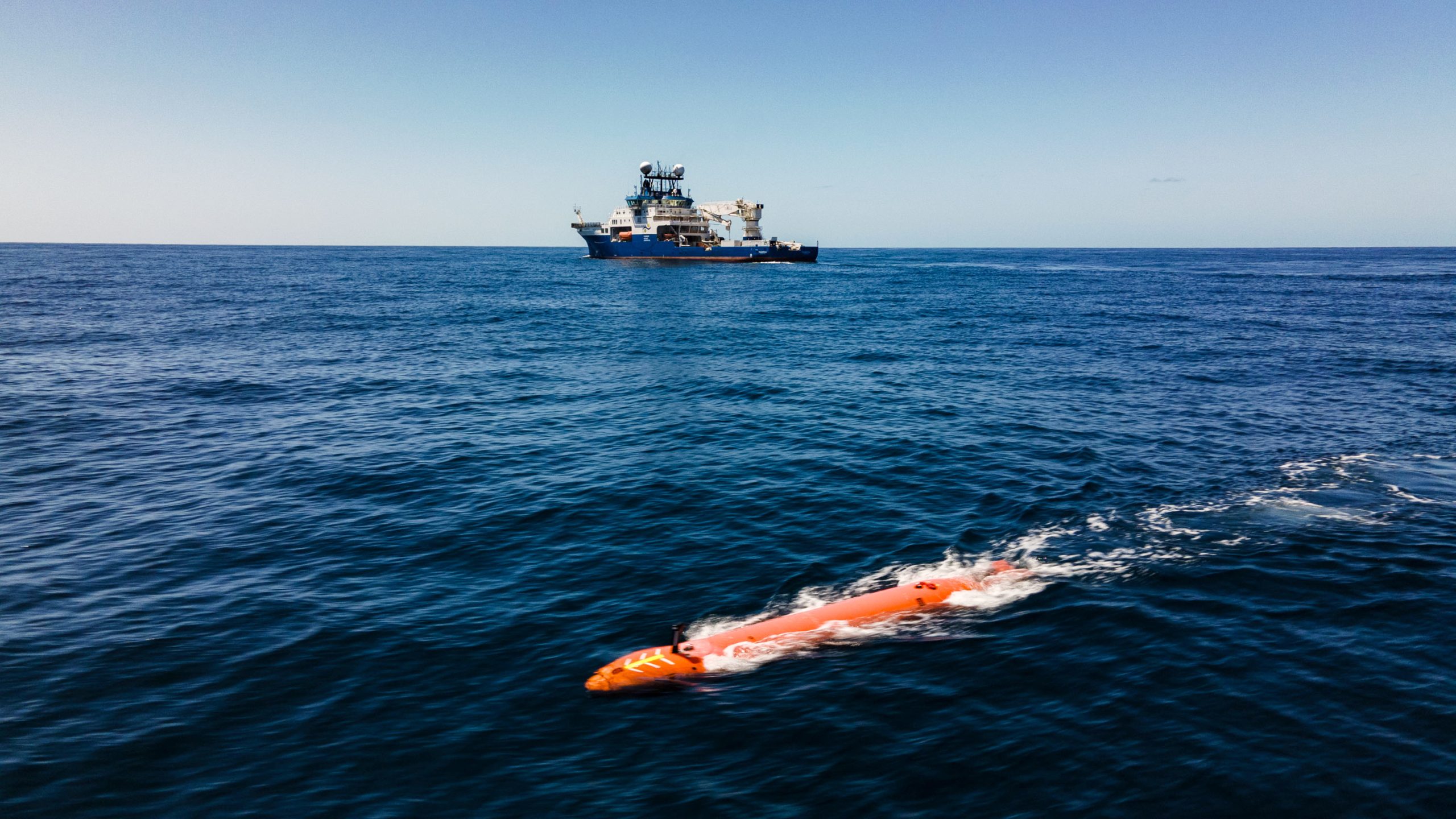 Turbidity currents — fast-moving flows of sediment often compared to underwater avalanches — are among the most powerful forces shaping the seafloor. Turbidity currents form the deepest canyons, the longest submarine channels, and the largest turbidite fans, or sediment deposits, on Earth. Studies have documented turbidity currents traveling at speeds of 5 to 8 meters per second (11 to 17 mph) over distances exceeding 1,000 kilometers. However, following sea-level rise after the last glacial period, most submarine canyon heads were cut off from the sediment supply from rivers, effectively becoming stranded at the continental shelf edge. This led scientists to assume that only submarine canyons connected to coastlines and river mouths experience turbidity currents today. Recent monitoring studies have shown that turbidity currents can occur in canyons located up to 300 kilometers from shore, farther offshore than expected. This raises the critical question of whether there are other shore-detached submarine canyons that are active today.
The science team will: (1) test whether turbidity currents occur in the upper Amazon Canyon, about 200 miles (322 km) from the mouth of the Amazon River, at present, and assess their origin, frequency, spatial extent (lateral and vertical), duration, and velocity; (2) quantify the geomorphic impacts of turbidity currents, in terms of erosional and depositional signatures across the upper Amazon Canyon; (3) evaluate the effects of turbidity currents on benthic ecosystems (in terms of the distribution, composition, abundance, and diversity of macro- and meiofauna, corals, sponges and microbiological communities), and constrain the mass transfer and burial fluxes of organic carbon and microplastics. The international team is led by Drs. Aaron Micallef from the Monterey Bay Aquarium Research Institute, U.S., and Vittorio Maselli from the University of Modena and Reggio Emilia, Italy, with principal investigators from Universidade Federal do Espirito Santo, Brazil, Universidad Pontificia Bolivariana, Colombia, University of Durham, U.K., and University of Modena and Reggio Emilia, Italy.
The Deep Wonders of Trinidad and Tobago
29 June – 28 July 2026
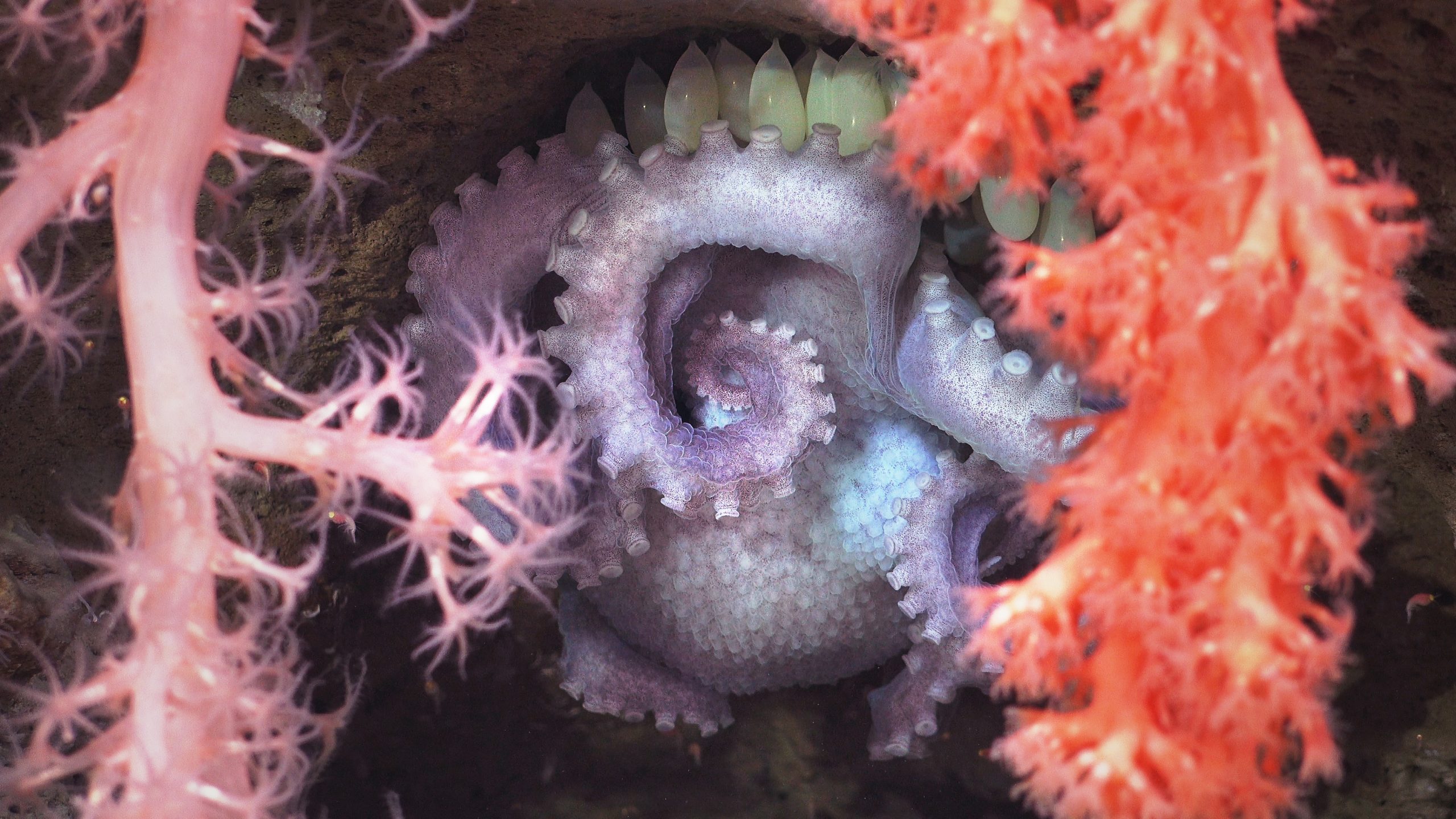
Ninety-three percent of Trinidad and Tobago’s marine jurisdiction is below recreational scuba depths, making the mesophotic and deep ocean the nation’s largest ecosystems. The geological setting of the two islands is an ideal environment for discovering chemosynthetic habitats, such as methane seeps and mud volcanoes, as well as mesophotic coral reefs. However, very little of Trinidad and Tobago’s deep waters has been explored, and many of these ecosystems remain undiscovered.
Dr. Diva Amon and a primarily Trini team of scientists will explore the waters surrounding Trinidad and Tobago and the adjacent high seas to fill this research gap. The team will use a variety of tools to conduct a baseline study of Trinidad and Tobago’s mesophotic and deep-sea ecosystems, including the Deep Ocean Research and Imaging System (DORIS), an underwater camera and sensor system designed to expand access to deep-sea research through cost-effectiveness and ease of use. Scientists will also test a novel cryopreservation technique using a -20°C cryoprotectant to validate it as a standard method for cryobanking marine invertebrates, advancing biodiversity conservation while conducting at-sea research. By exploring and collecting a comprehensive dataset, the expedition will inform future ocean stewardship in Trinidad and Tobago and beyond.
Surveying Salt Fingers in the Caribbean
6 August – 2 September 2026
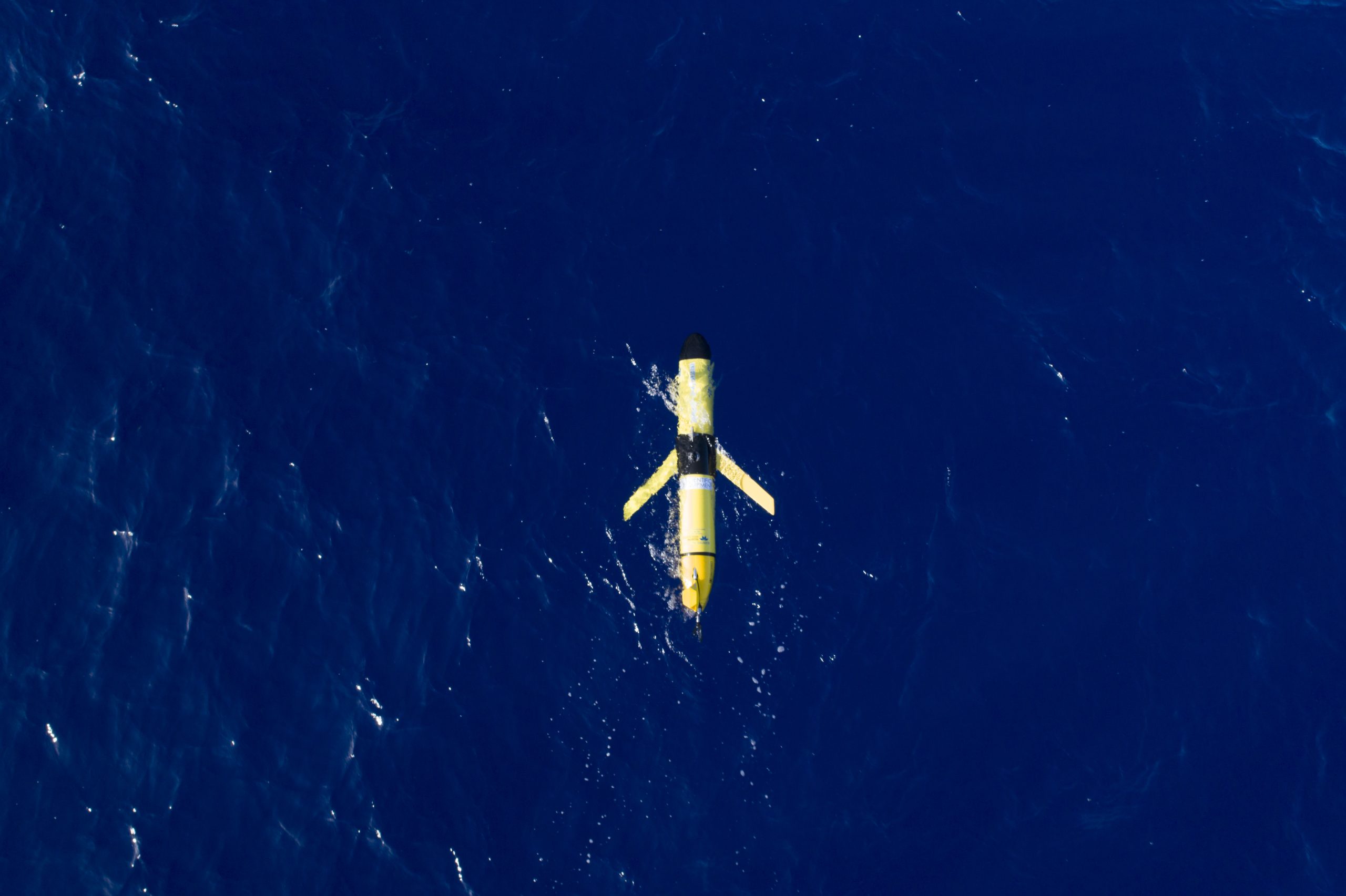 In the northwestern equatorial Atlantic, the water column is highly stratified, with warm, salty water sitting atop cooler, fresher, nutrient-rich waters carried northward from the Antarctic by the Atlantic Meridional Overturning Circulation (AMOC). These conditions make this region a hotspot for “salt fingers,” a fine-scale mixing process in which heat and salt are exchanged across density gradients, leading to waters sinking and rising in a beautiful, swirling motion. Scientists suspect that these salt fingers transport essential nutrients for plankton growth, such as nitrate, to the surface, thereby fueling ecosystem productivity and potentially influencing carbon export.
Drs. Joseph Gradone and Corday Selden of Rutgers University, U.S., and an international team will venture to the Caribbean to collect essential data on salt fingers and their role in nutrient transport from the deep sea to surface waters. Scientific evidence suggests that salt fingers in this region are intensifying as waters warm and their salinity changes, driven by the ocean absorbing excess heat from the atmosphere. Gradone and Selden hypothesize that this trend is amplifying the salt fingers’ movement and thereby carrying more nutrients to the surface, enhancing primary productivity, and altering ecosystem structure. Using R/V Falkor (too)’s CTD and rosette and four coordinated gliders, they will improve our understanding of the physical dynamics of salt fingers and their impact on primary productivity in this region of the global ocean.
Life at the Mid-Atlantic Ridge fracture zone
17 September – 26 October 2026
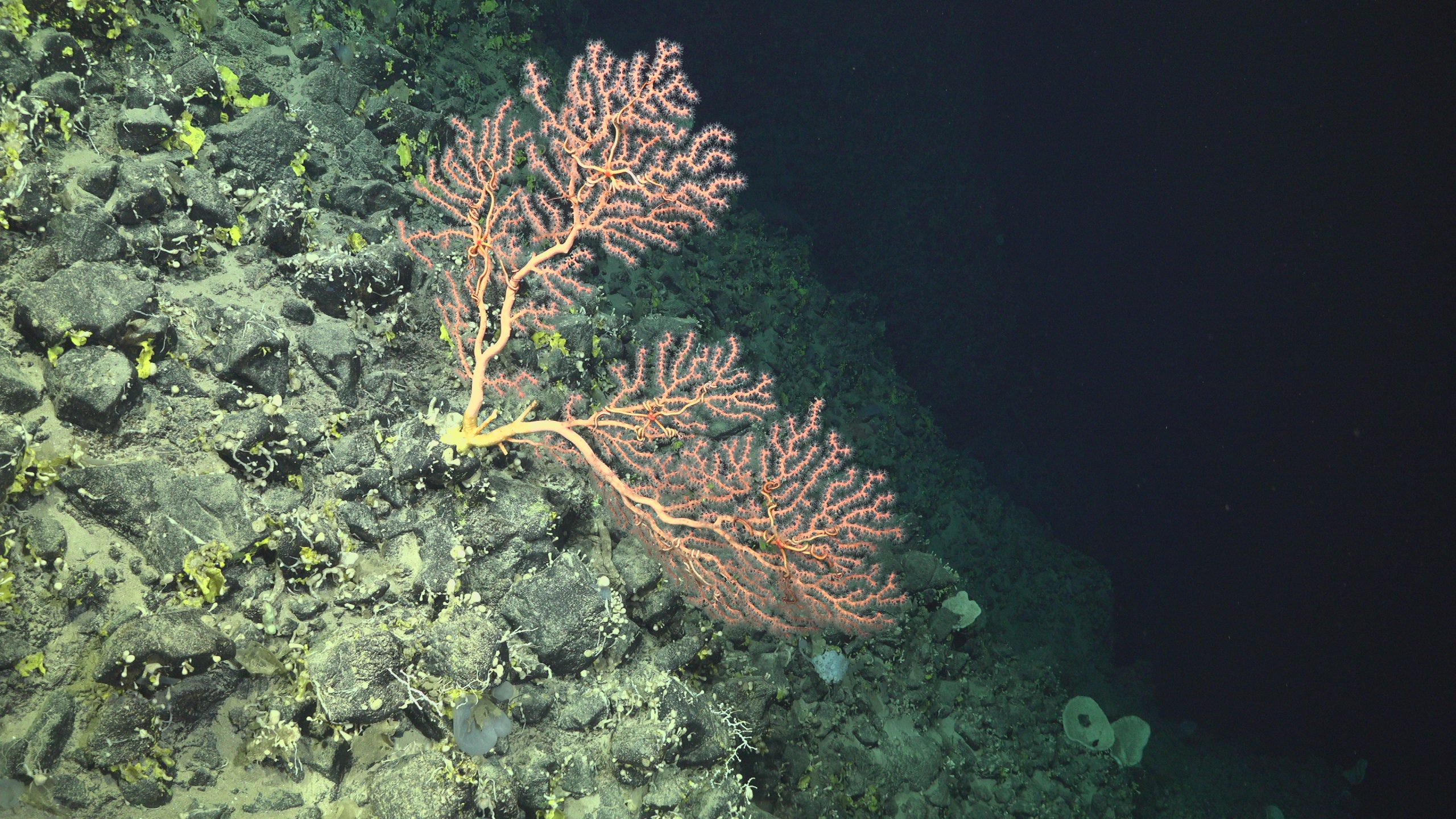 The Mid-Atlantic Ridge stretches across both hemispheres and is a seafloor mountain system formed by plate tectonics. At the equator, between Brazil in South America and West Africa, an active transform fault — the Romanche Fracture Zone — bisects this ridge. The fault creates a setting with a mix of rough bathymetry and sediment-covered slopes, fed by powerful equatorial currents and seasonal upwelling. Despite conditions that support marine biodiversity, such as steep walls and nutrient-rich waters, data suggested that life in the region was sparse. Experts now believe this sparsity is merely due to undersampling. They suspect it is home to biodiversity hotspots and Vulnerable Marine Ecosystems.
As part of the Challenger 150 Program, a UN Ocean Decade-endorsed program, and endorsed by the Brazilian Deep Sea Program launched by the National Institute for Ocean Research, Dr. Jose Angel A. Perez from the University of the Itajaí Valley, Brazil, and Prof. Kerry Howell from Plymouth Marine Laboratory, U.K., are leading an international team to explore and describe the ecological patterns of deep-sea benthic species and communities in this dynamic environment. Data collected during this research transect from Brazil, South America, to Ghana, Africa, will advance the potential to classify specific areas of this high seas region as Vulnerable Marine Ecosystems.
Predicting Productivity Part 1: Eastern Equatorial Atlantic
Oxygen and Biogeochemical Dynamics of the West African Margin
4 November – 5 December 2026
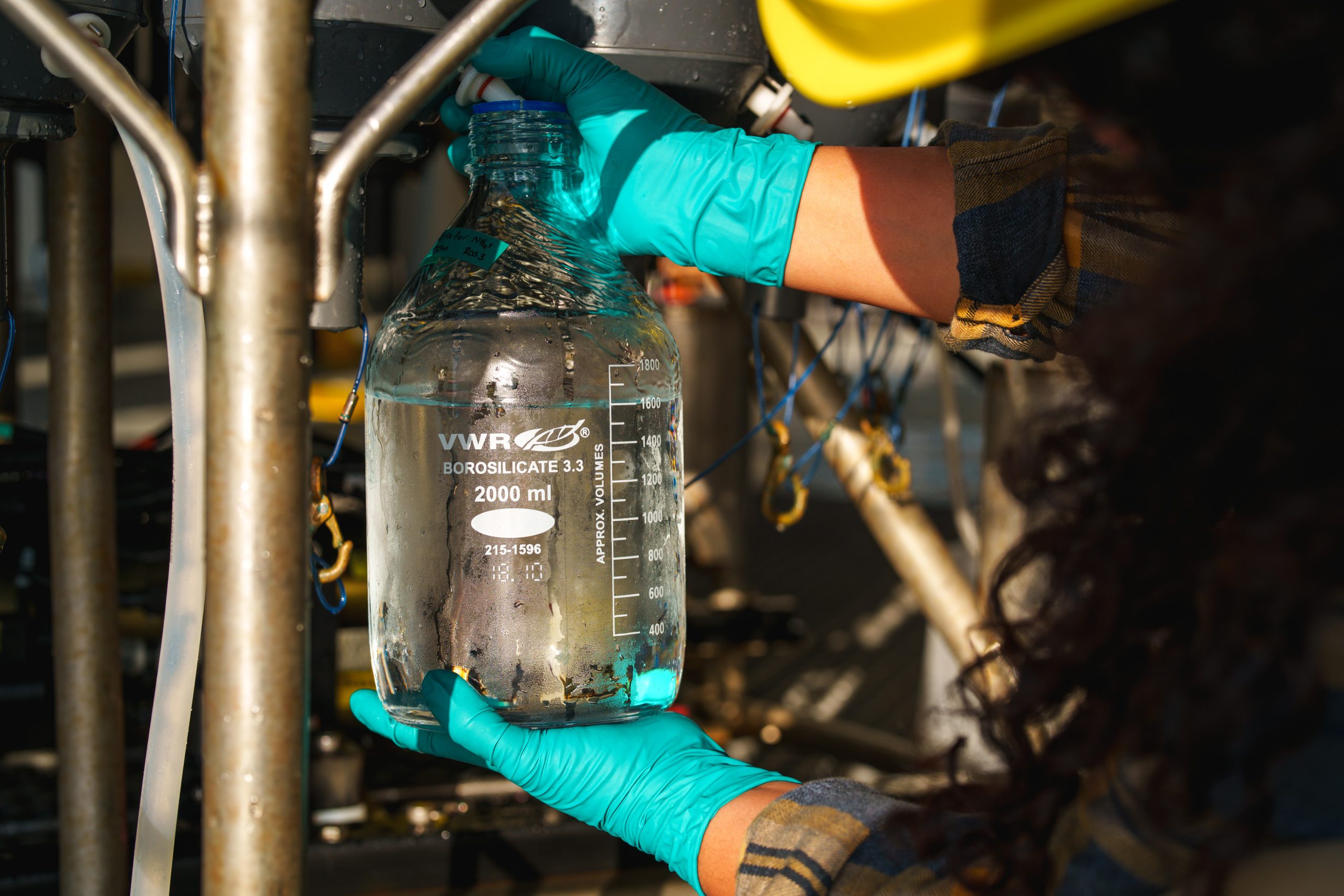 In the Eastern Atlantic and along the Equator, seasonal upwelling occurs in the summer and autumn months when the trade winds are at their strongest. This upwelling brings nutrient and oxygen-rich deep water to the surface — a delectable feast for phytoplankton that support marine food webs and human livelihoods. However, climate change and expanding hypoxic zones might alter the conditions that support this region’s crucial phytoplankton blooms. Yet many climate models lack fine-scale biogeochemical data to accurately assess how anthropogenic influences affect variables that sustain plankton and fish growth, including rates of primary production and biological oxygen.
Dr. Sarah Fawcett of the University of Cape Town will lead a South African, Namibian, and American team on the first of two Schmidt Ocean Institute expeditions, with the Schmidt Sciences Ocean Biogeochemistry Virtual Institute (Part 2 takes place in 2027). This year, they will explore the equatorial Atlantic to evaluate how ocean circulation, atmospheric dynamics, and biological activity are affecting the ocean’s biogeochemistry in these regions. They will sample near the Equator, from Ghana to Brazil, using the CTD rosette, gliders, and a tow-fish to sample nutrients, trace metals, oxygen, and other chemical parameters that support ocean fertility, as well as conducting experiments to determine rates of important biogeochemical processes such as primary production and nitrogen fixation. The data they collect will inform predictive models that help determine the impacts of climate change on eastern equatorial upwelling and the expansion of hypoxic zones.
Seascapes and Seamounts in the Western Atlantic
14 December 2026 – 12 January 2027
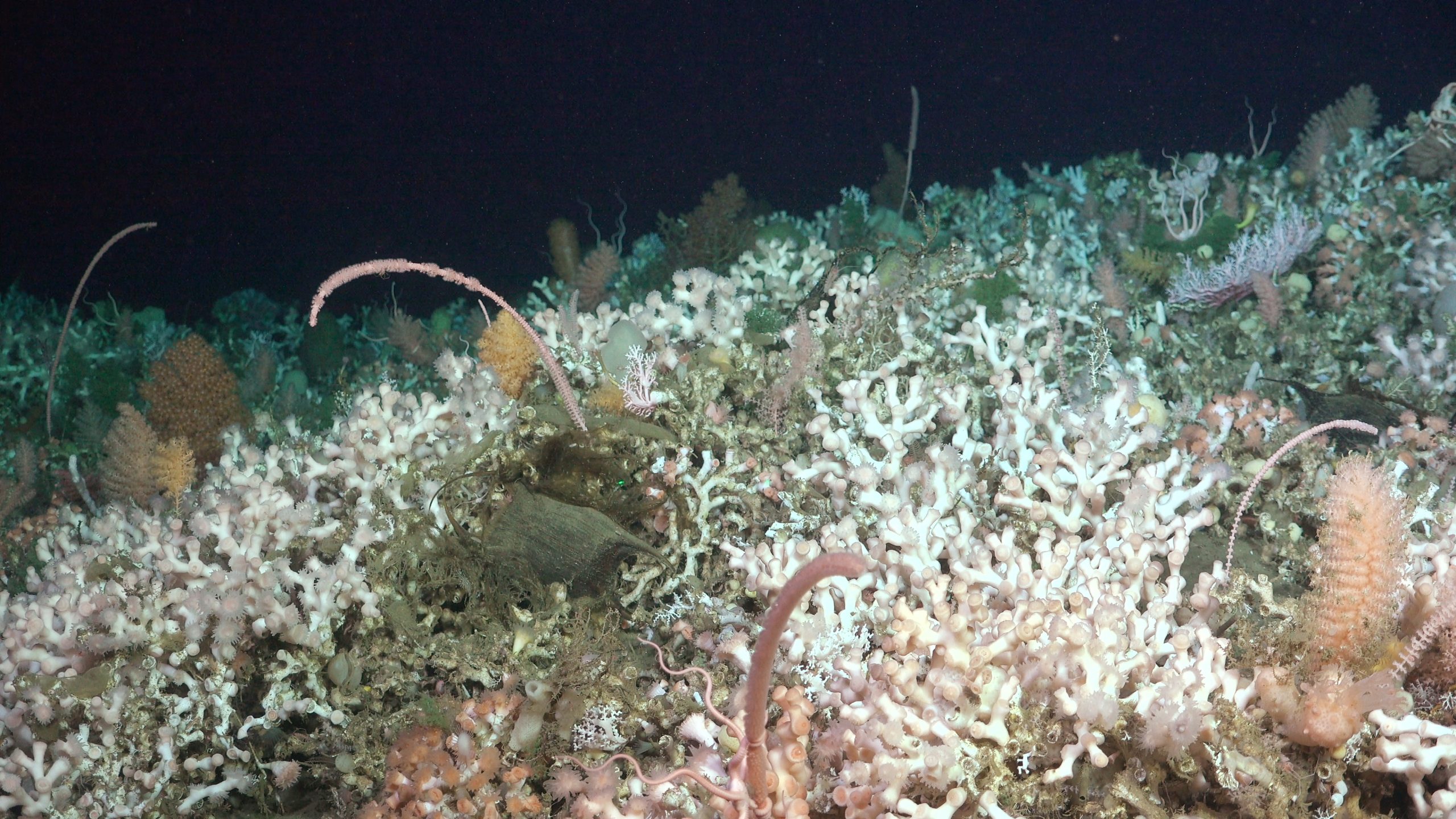 Scientists have mapped and studied a little over 43,000 underwater seamounts in the global Ocean. Experts suspect there may be thousands more waiting to be explored. These submerged mountains support myriad species, including deep-sea corals and commercially important fish. Seamounts also enhance carbon sequestration, nutrient cycling, and primary productivity, being an important geodiversity feature supporting a range of feeding and prey interactions. One ocean mystery is the role biodiversity hotspots might play in surface-to-deep ocean carbon sequestration on seamounts in the Western Equatorial Atlantic off Northern Brazil.
An international research team led by Dr. Alex Cardoso Bastos from the Federal University of Espírito Santo, Brazil, will use novel technologies to explore seamount habitats. They will examine how currents, water masses, and the seafloor influence the distribution of animals and ecosystems, as well as the role these habitats play in carbon storage. ROV SuBastian and a suite of tools available on the Research Vessel Falkor (too) will advance this effort, which is part of the UN Ocean Decade-endorsed Challenger 150 Program.