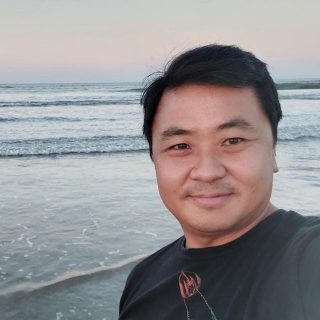
I hold a bachelor’s degree in Biological Sciences, with a doctorate in Zoology at the University of São Paulo (USP). I completed my postdoctoral studies at IB-USP, with an internship at Kitasato University School of Marine Biosciences, Japan. I’m a faculty at the Institute of Oceanography at the Universidade Federal do Rio Grande (FURG), working at the Zooplankton Laboratory (@labzoofurg). I teach the courses “Biodiversity of Marine Invertebrates,” “Ecology of Marine Zooplankton,” “Biomechanics Applied to Aquatic Organisms,” and “Oceanographic Instrumentation: Practices and Techniques.”. I am assistant coordinator of the Graduate Program in Biological Oceanography (PPGOB, @ppgocbio). I have experience with the biology and ecology of gelatinous zooplankton, particularly planktonic cnidarians (Cnidaria, Medusozoa), investigating their biodiversity, development, and environmental factors that lead to the formation of jellyfish blooms (seasonal and oceanographic dynamics, trophic ecology, feeding biomechanics). I also research the effects of these blooms on economic activities such as fishing and tourism, when related to outbreaks of accidents involving jellyfish that are toxic to humans. More recently, I have been working with high-frequency image capture techniques (“super slow-motion”), such as particle image velocimetry (PIV), applied to behavioral and biomechanical studies of aquatic organisms. With this, I try to integrate knowledge about how the basic biology of jellyfish (e.g., development, functional morphology, feeding mechanics) can influence functional factors (population dynamics, predatory impact, and trophic niche), which can have important socioeconomic repercussions in several coastal regions of Brazil.
Cruises: